
Travelling with carry-on only is less about a clever bag than about a short list and a little discipline. The reward is real. You walk straight out of the arrivals hall, you never wait at a belt, and a missed connection cannot separate you from your clothes. Stairs, cobbles and crowded trains stop being obstacles. The cost is that you choose carefully, wash as you go and accept wearing the same jumper several days running.
What counts as carry-on depends on the ticket
There is no single carry-on size. Each airline sets its own limits for the bag that goes in the overhead locker and the smaller item that goes under the seat, and many now tie those limits to the fare. The cheapest ticket on some airlines includes only the small under-seat item, with a full-size cabin bag sold as an extra. Weight limits vary too, and some airlines check them at the gate.
So read the baggage rules for your own ticket, on the airline's own site, before you buy the bag or pack it. If your trip has several flights on different airlines, the strictest allowance on the route is the one that counts. Measure your packed bag, including wheels and handles, and weigh it at home with everything inside. If the extra cabin bag costs money, add it to the list of costs travellers forget to budget.
Liquids, batteries and the security tray
Many airports limit the liquids, gels and pastes you can carry through security, usually to small containers inside one clear, resealable bag. Those rules are being changed in some places as new scanners arrive, and the change does not happen everywhere at once, so the rules on your outbound flight may differ from those on the way home. Check the current rules for every airport on your route, and pack to the strictest.
The simplest answer is to need fewer liquids. Solid soap, solid shampoo and a small tin of balm take no space in the clear bag. Buy sun cream and anything bulky at your destination. Keep the liquids bag at the top of your carry-on, so it comes out in seconds at the tray.
Spare batteries and power banks generally have to travel in the cabin rather than in checked bags, and airlines set limits on their size. Since a carry-on traveller has no checked bag, this is one rule that is easy to follow, but it is still worth checking the airline's page for the exact limits.
Rolling, folding and packing in blocks
Rolling and folding both work. Rolled soft clothes such as T-shirts and underwear fill gaps well and crease less than you might expect. Folded shirts and trousers lie flatter and look better when you unpack them. Many carry-on travellers do both: fold the larger pieces into a flat layer at the bottom, then roll the small things and tuck them around the edges.
Soft packing pouches help more than any folding method. One for tops, one for underwear and socks, one for the wash kit. They turn a bag into a few blocks you can lift out and put back, which matters when you repack in a different room every few nights. The fuller list of what goes in each block sits on the one-page packing list.
Wear the bulkiest things on travel days: the walking shoes, the warm layer, the jacket. Pockets in that jacket can carry a book, a charger and the documents pouch, as long as the weight limit for your bag is not quietly broken by it.
Laundry on the road
Carry-on only works because you wash clothes as you go. Plan a wash every three or four days, and pack for that cycle rather than for the length of the trip. A week and a month need roughly the same bag.
- Wash small things in a sink each evening with a little travel wash or soap.
- Roll them tightly in a towel and press to get most of the water out.
- Hang them where air moves. Thin synthetic or wool fabrics dry overnight; thick cotton often does not.
- Use a self-service laundry or the laundry service where you stay once a week for the larger pieces.
This is why fabric choice matters so much. Light, quick-drying clothes make the sink routine work. Jeans and heavy cotton make it fail.
At the airport and after
Board with the bag you can lift into the overhead locker yourself. On full flights, cabin space can run out and late boarders may be asked to check their bags at the gate, so take out anything you need, such as medicines, documents and batteries, if that happens. Boarding a little earlier lowers the odds.
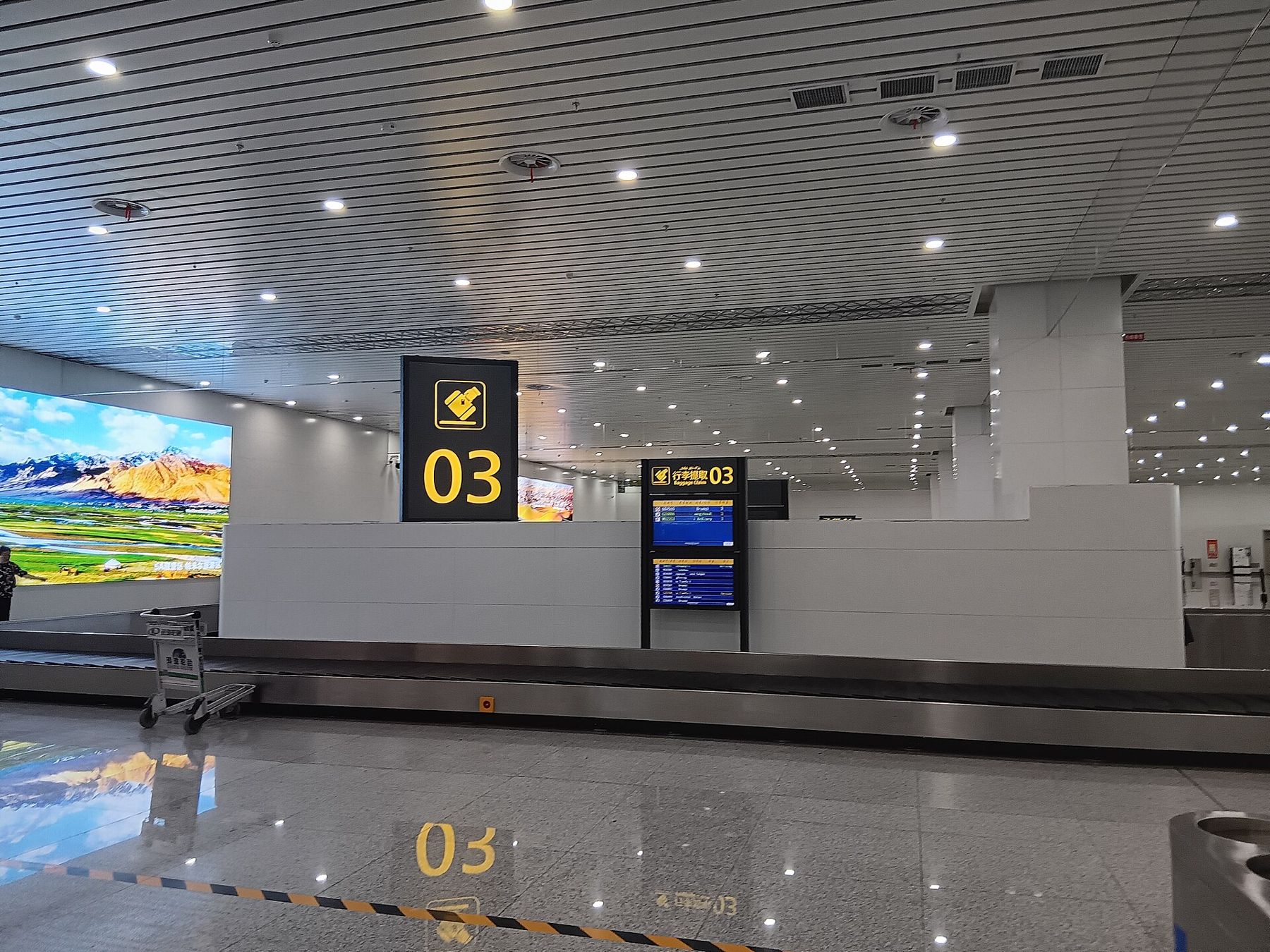
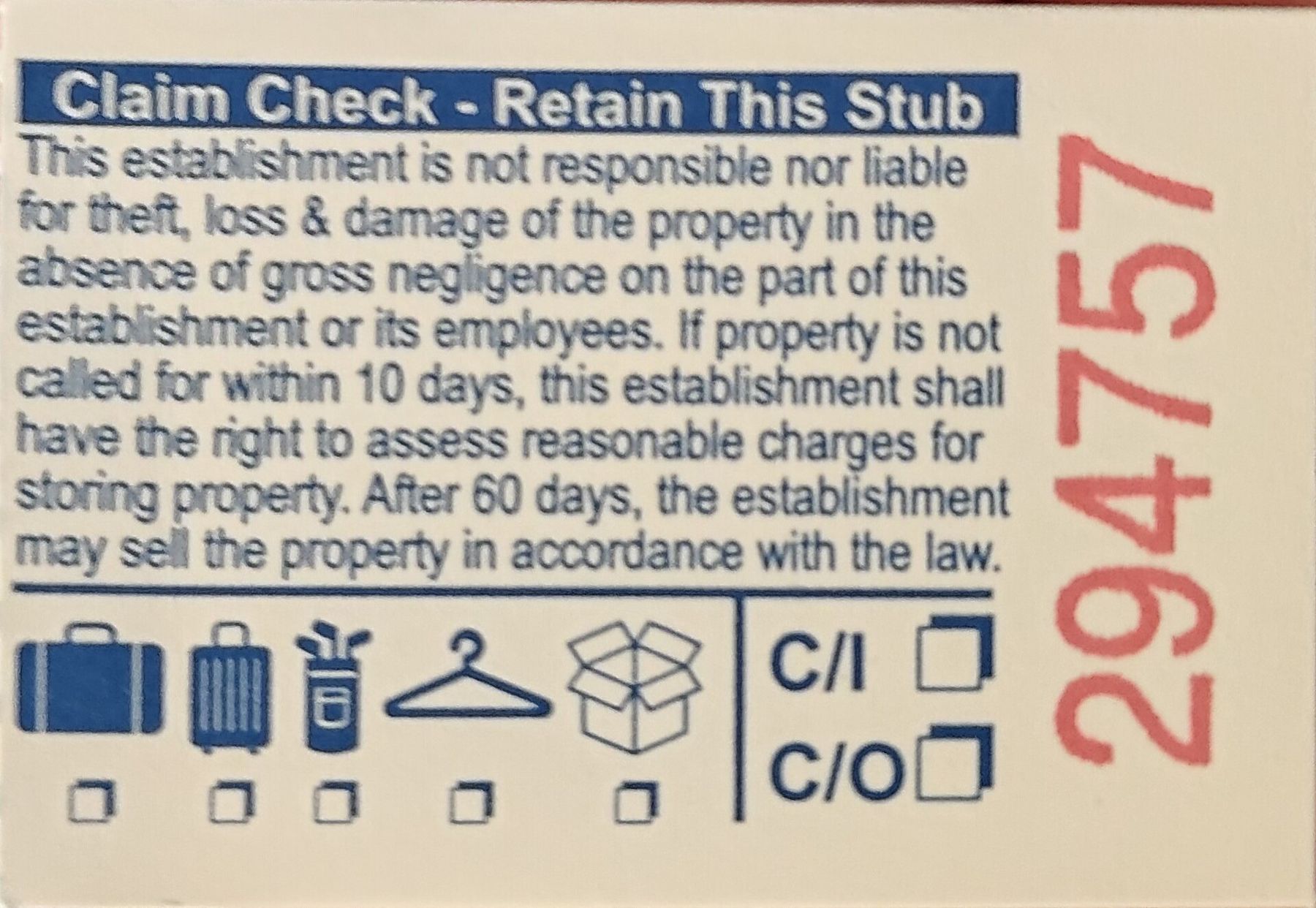
On arrival, you walk past the baggage hall. That saved time is often an hour or more on a busy day, and it lets you catch an earlier train into town. If you arrive before you can check in to your room, a small bag is also easy to leave in luggage storage for a fee, or to carry for the afternoon.
When carry-on is the wrong choice
Some trips do not fit in a cabin bag, and forcing them only makes you miserable. Cold-weather trips with bulky layers, trips with specialist equipment such as climbing or diving gear, work trips that need formal clothes, and long trips where you need a supply of a medicine in liquid form may all justify a checked bag. Travelling with small children usually does too.
The habits still help with a larger bag. A short list, quick-drying fabrics and a wash every few days keep even a checked suitcase light enough to carry up a flight of station stairs. And whatever you choose, keep medicines, documents and one change of clothes in the bag that stays with you, as the health checks before a long trip page also advises.
Who shot these snapshots
- Mattsjc CC BY 4.0
- Timothytyy CC BY-SA 4.0
- UnifiedFunctionality CC0