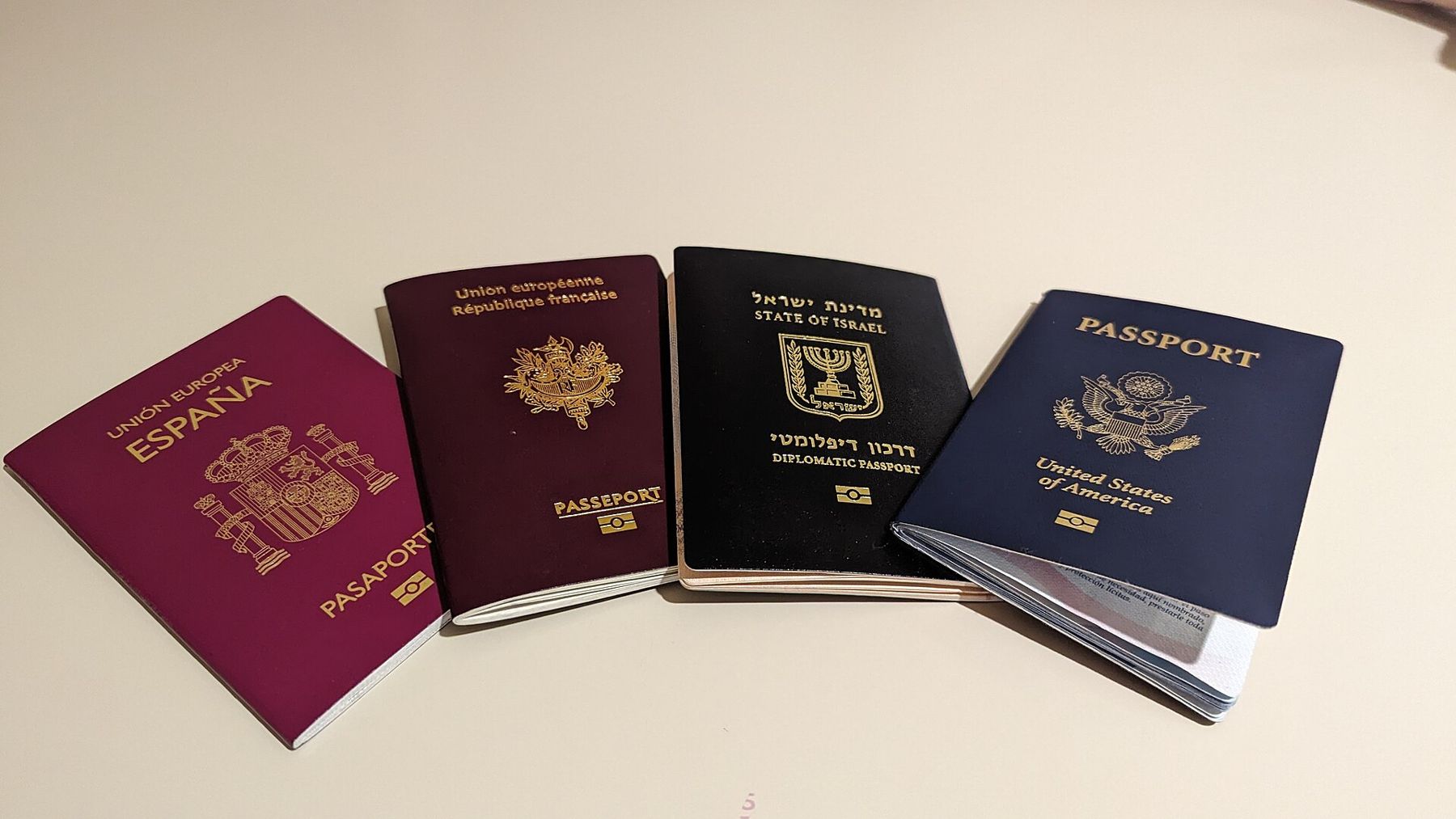
Documents are the dullest part of trip planning and the part with the least room for error. A passport that expires too soon, an entry approval you did not know you needed or a lost card with no record of its number can stop a trip at the airport, or make a bad day abroad far worse. The cure is simple: check early, keep everything in one folder and make copies in two other places.
This page sets out how to do that. It stays general on purpose, because the rules on passports, visas and entry differ by nationality and destination, and they change. For your own trip, the official government sources are the only ones to trust.
Passport validity and blank pages
Start with the passport itself, ideally a year before you travel, because renewing one can take weeks and the busy months make it slower. Look at three things. First, the expiry date. Many countries ask that your passport stays valid for a set period beyond the date you arrive or leave, often several months, and some airlines will refuse to board you if it does not. Second, the blank pages, since some countries ask for one or more free pages for stamps. Third, the condition: a damaged passport can be refused.
Check the requirement for every country on your route, including those you only pass through. A passport that is fine for one stop may fall short for another. If it is close, renew it now rather than hoping.
When you book, make sure the name on every ticket matches the name in the passport exactly, including middle names where the booking asks for them. A mismatch can mean trouble at check-in, and correcting a name on a ticket is sometimes charged or not allowed at all. If you renew your passport after booking, check whether the airline or the entry approval needs the new number.
Children usually need their own passport, and some countries have extra requirements when a child travels with only one parent, such as a signed letter of consent. Check the official guidance for your destination well ahead.
Visas and entry approvals, in general
Whether you need a visa depends on your nationality, your destination, the purpose of the trip and how long you stay. Some destinations let certain nationalities in without a visa but now ask for an electronic travel authorisation, applied for online before departure. Others need a full visa from an embassy or consulate, which can take weeks. Some issue visas on arrival. All of this changes.
Use only the destination government's official website, or your own government's travel advice pages, to find the current rules and to apply. Unofficial sites that look official sometimes charge extra for the same form. Print any approval, keep the reference number in the notebook, and note its expiry date.
Entry rules can also ask for proof of onward travel, proof of funds or an address for your first night. Keep those in the folder too, so you are not searching your phone at the passport desk.
Insurance, in general terms
Travel insurance covers very different things depending on the policy: medical treatment abroad, getting you home if you are ill, cancellation, delays, lost luggage, and sometimes activities such as skiing or diving. Read what your policy actually covers, its limits and its exclusions, before you rely on it. Pre-existing medical conditions and risky activities are common exclusions unless declared.
Buy insurance soon after you book, so that cancellation cover applies if something happens before you leave. Then write three things in the notebook: the policy number, the emergency assistance phone number and what to do first if you need to claim. Some policies require you to call before seeing a doctor except in a real emergency.
Read what your policy actually covers, its limits and its exclusions, before you rely on it.
The folder and the copies
Gather everything into one slim folder that lives in the bag that stays with you. A sensible folder holds:
- A paper copy of your passport photo page, and of any visa or entry approval.
- Booking confirmations for flights, trains and the first and last nights.
- The insurance policy summary with the emergency number.
- A driving licence and any permit, if you will drive.
- A list of card numbers' last four digits and the phone numbers to block them.
- A spare passport photo, which helps if you need an emergency travel document.
Then make two more copies. Store scans or photos of the same pages somewhere secure online that you can reach from any device, and leave a paper copy with someone you trust at home. If the folder and your phone are lost on the same day, you still have a way back.
Keep the passport itself on you on travel days, or locked away where you stay, and carry the paper copy for everyday use where the law allows. Some countries require you to carry the original, so check the rules for each place. The one-page packing list puts the folder in the bag that never leaves your side.
Emergency numbers and contacts
Before you go, write a short list on the inside cover of the notebook. The general emergency number for each country you visit: 112 works across the European Union and in many other countries, and 911 in North America, but other places use other numbers. The address and phone number of your embassy or consulate in each country. Your insurer's emergency line. A contact at home, written as a full international number.
Paper matters here because a phone can be lost, stolen or flat at the worst moment. The habits on phones and the paper backup cover the rest. If your government offers a registration service for citizens travelling abroad, consider signing up for long or remote trips.
If the passport is lost abroad
Report the loss to the local police and ask for a written report, since insurers and consulates often need one. Then contact your embassy or consulate, which can usually issue an emergency travel document to get you home or onward. The paper copy of the photo page, the spare photo and the reference numbers in your folder make that process much quicker. Expect it to cost a fee and at least a day.
A last check before you leave
In the final week, open the folder and go through it against the list. Passport in date, approvals printed, insurance details written down, copies made and left with someone. Then close it and stop worrying about it. Documents done early let you spend the last days on the parts of planning that are actually fun, such as the one-page itinerary, and if plans do go wrong, when plans change on the road picks up from there.