Some trips ask for three climates in one bag: a hot lowland city, a cold mountain pass and a week of coastal rain, sometimes in the space of a fortnight. The answer is not more clothes. It is a small set of pieces that layer together, so you can add warmth when it is cold, peel it off when it warms up and stay dry when it pours.
The method below works for a mixed trip, for a single place with unreliable weather, or for any shoulder-season journey where a sunny morning and a raw afternoon can arrive on the same day.
Pack for the range, not the average
Average temperatures hide the problem. A place with a pleasant average can still have cold nights and hot afternoons, and the mountains above it can be much colder than the town. Before you pack, find the likely highs and lows for every stop on your route at the time you will be there, plus the chance of rain. Write the coldest night and the hottest day at the top of your list.
Those two numbers decide the bag. The coldest night sets how warm your layers must be together. The hottest day sets how light the thinnest one must be. Everything else falls in between. Check the forecast again in the last few days before you leave, because a cold snap or a heatwave can change what is worth carrying.
The three-layer system
Outdoor clothing has long been built around three layers, and the idea works just as well for a city trip.
- Base layer: next to the skin, thin, and good at moving sweat away. Light tops for heat, a thin long-sleeved top for cold.
- Mid-layer: the warmth. A fleece, a light insulated jacket or a wool jumper.
- Shell: a waterproof, windproof jacket with a hood, thin enough to fold small.
Worn alone, each layer covers a different kind of day. Worn together, they handle cold rain or a windy summit. The trick is that each piece earns its place several times over, instead of one heavy coat that is perfect for three days and dead weight for the rest.
Fabrics that earn their space
Fabric matters more than the number of pieces. Cotton is comfortable in dry heat, but it soaks up water, dries slowly and chills you when it is wet. On a trip with any chance of cold rain, keep heavy cotton out of the bag.
Merino wool and synthetic fabrics both dry far faster. Merino resists smells, so you can wear it for several days between washes; synthetics are tougher and usually cheaper. For insulation, down is very warm for its weight but loses much of that warmth when it gets wet, while synthetic insulation keeps more of its warmth when damp. In a rainy climate, that difference matters.
For heat, think loose and light. Long, loose sleeves and trousers in a thin fabric often feel cooler in strong sun than shorts, and they protect your skin. Pale colours reflect more heat than dark ones. A thin scarf or a wide-brimmed hat takes almost no space and does a great deal on a hot, bright afternoon, and the scarf doubles as a cover for shoulders in places of worship that ask for it.
Shoes: the heaviest decision
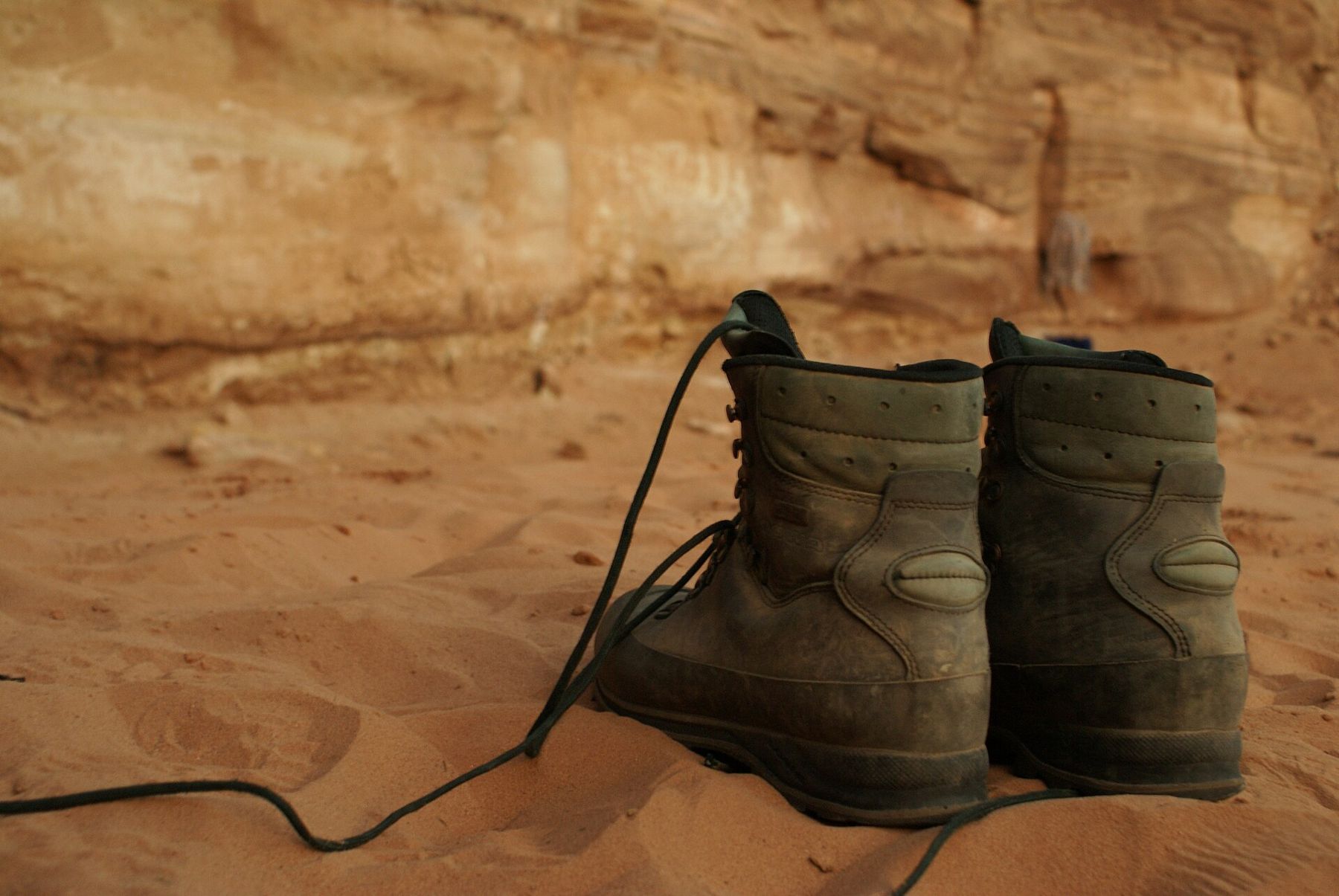
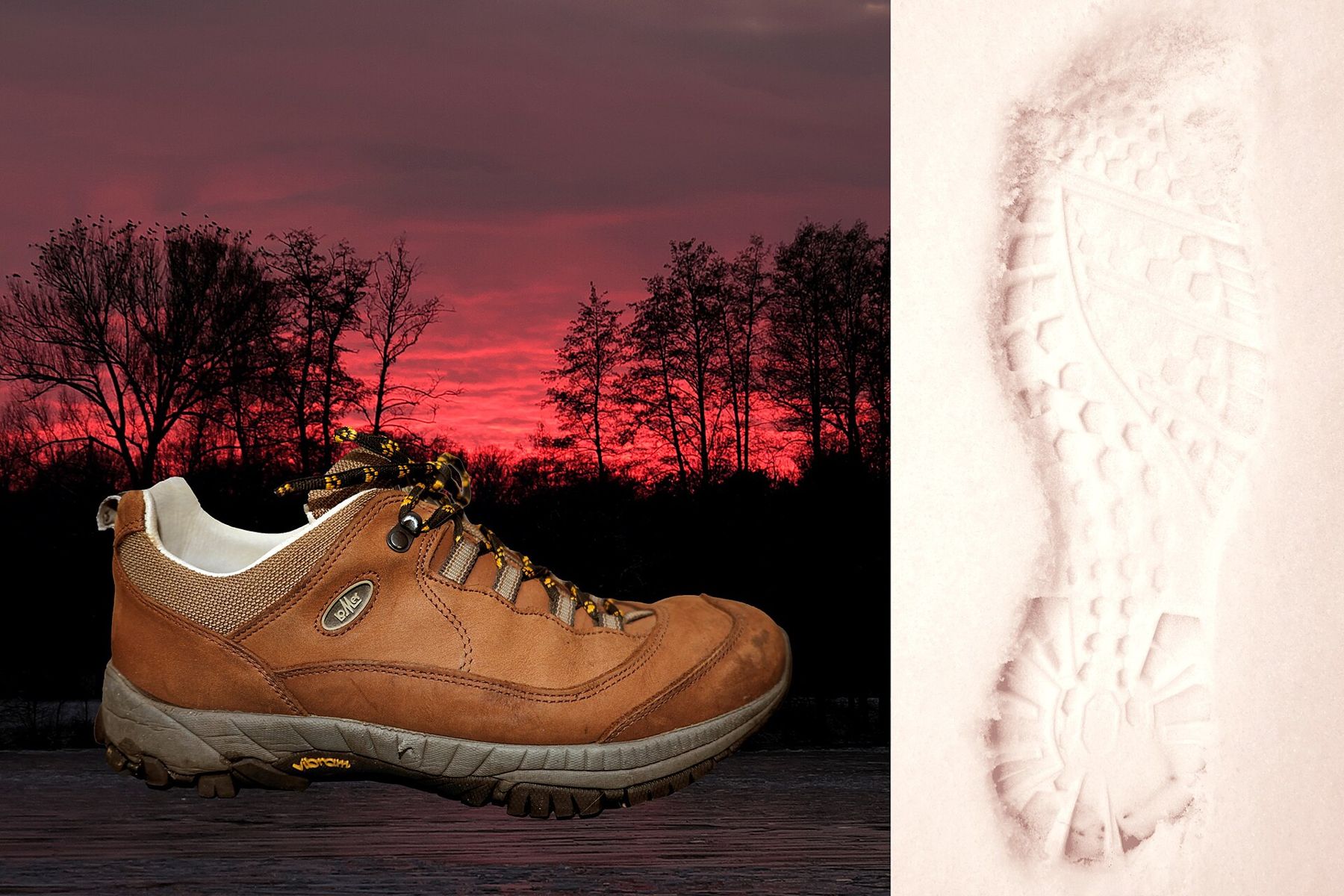
Shoes are the bulkiest thing you pack, so they need the most thought. For a mixed trip, take one pair of comfortable walking shoes or light boots with a good grip, worn on travel days, and one light pair for evenings, warm days and drying out. If your route includes rough trails, snow or long wet walks, waterproof boots may be worth their weight; for cities, they are usually overkill.
Break new shoes in at home, over several weeks of ordinary walking. A trip is the wrong place to discover a seam that rubs. Pack plasters for blisters anyway, and a spare pair of good socks for the day the first pair gets soaked.
A trip is the wrong place to discover a seam that rubs.
A one-bag list for three climates
| Piece | Heat | Rain | Cold |
|---|---|---|---|
| Light tops, two or three | Worn alone | Under the shell | Under everything |
| Thin long-sleeved top | Sun cover | Base layer | Base layer |
| Warm mid-layer | In the bag | If it is cool | Always |
| Waterproof shell | In the bag | Always | Over the mid-layer |
| Light trousers, two pairs | Worn | Worn | Over thermal leggings |
| Hats | Sun hat | The hood | Warm hat and gloves |
Add thin thermal leggings if the cold part of the trip is serious. They weigh little and turn ordinary trousers into winter ones. The broader list, with documents and wash kit, sits on the packing list that fits on one page.
What to buy when you get there
Some things are better bought on arrival. An umbrella, sun cream, a cheap pair of sandals, a warm hat in a mountain town: all are easy to find in most places and bulky to carry the whole way. If one cold week sits in the middle of a hot trip, it can even make sense to buy a warm layer there and give it away or post it home afterwards.
Do not leave the important pieces to chance, though. A good shell, shoes that fit and any medicines you rely on should come from home, as the health checks page explains for the last of these. And give the extra purchases a line in your daily budget, because three small buys on a rainy day add up faster than you expect.
Who shot these snapshots
- Florian Prischl CC BY-SA 3.0
- Th. Voekler CC BY-SA 3.0