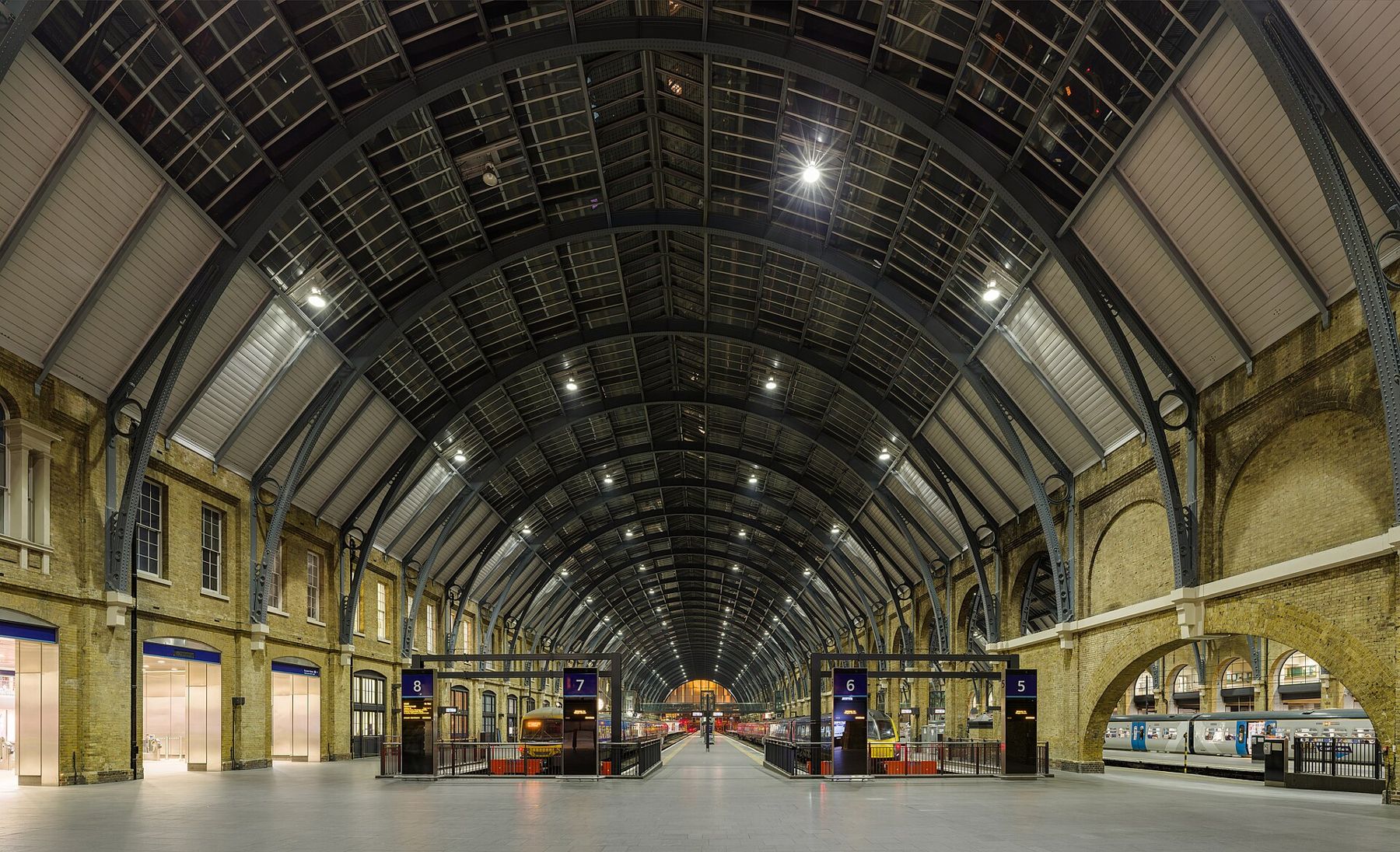
Sooner or later, a plan breaks. A rail strike is announced for the day you move on, a storm closes a ferry route, a delayed flight makes you miss the last train, or you simply step onto the wrong platform. It happens to careful travellers as well as careless ones. What separates a bad day from a ruined trip is usually not luck. It is what you do in the first half-hour, and how much you prepared the night before.
The night before every travel day
Most disruptions give some warning. Strikes in many countries are announced in advance, and severe weather is usually forecast. So the evening before you move, take five minutes to check. Look at the news for strikes affecting trains, flights or ferries, look at the forecast for your route, and check the operator's own site for changes to your service.
Then write three things in the notebook: your booking reference, the departure after yours, and one alternative route. A train an hour later, a bus that covers the same journey, a different connecting town. You will probably never use the list. On the day you do, it turns a crisis into a choice.
The first ten minutes
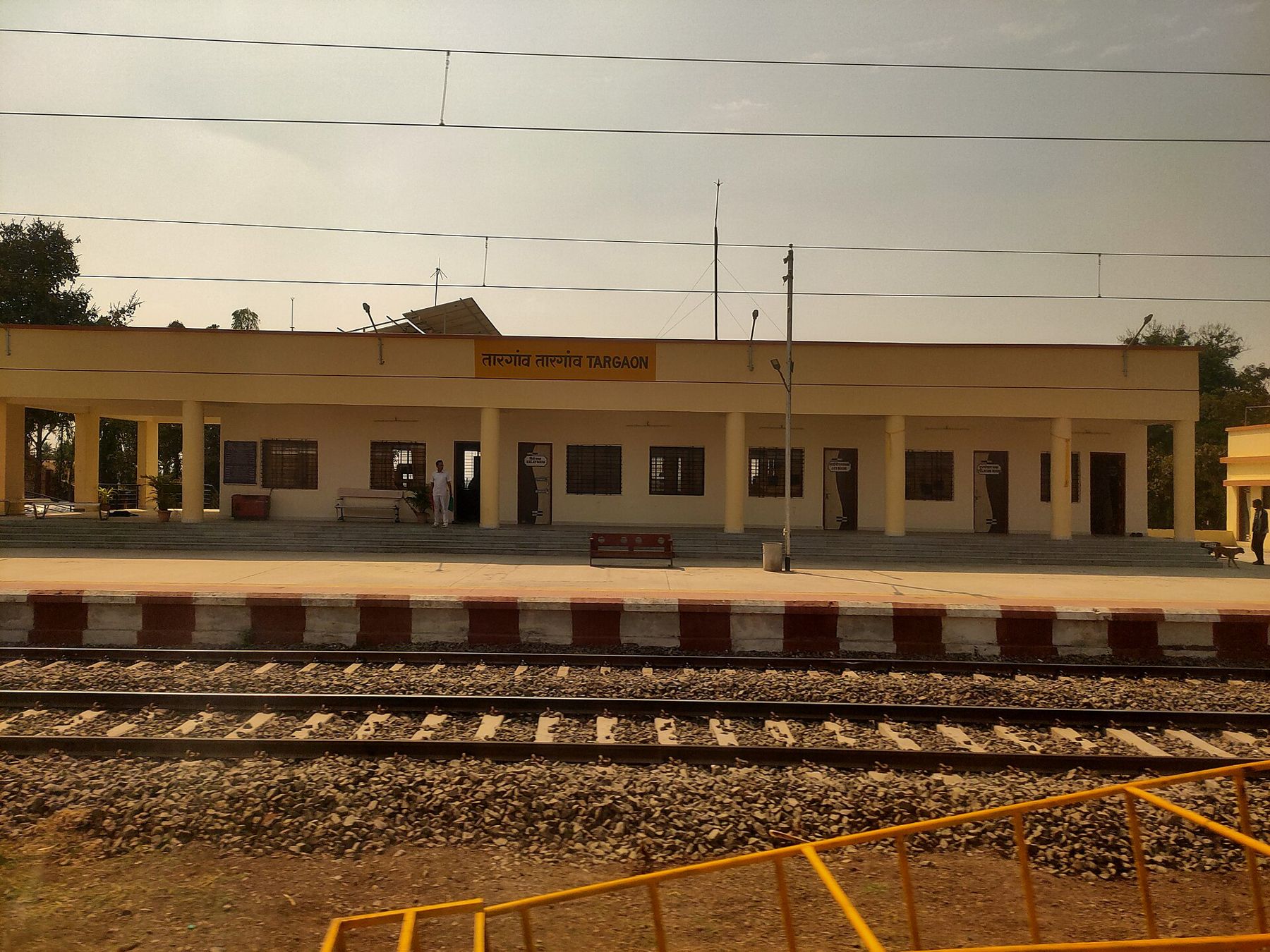
When something goes wrong, the instinct is to rush. Resist it for a moment. Step out of the crowd, find somewhere to stand or sit, and read the departure boards and any announcement properly. Many problems turn out smaller than they first look: a platform change, a short delay, a replacement bus that leaves from outside the station.
- Find out what has actually happened, and how long it may last.
- Check whether staff are directing passengers to a particular desk, bus or train.
- Look at your written alternatives.
- Decide whether to wait, rebook or change route.
Join the queue at the desk if you need to, but also try the operator's phone line or website at the same time. Whoever answers first gets you rebooked first, and seats on the next service can go quickly when a whole train or flight is cancelled.
What separates a bad day from a ruined trip is usually not luck.
Missed connections and rebooking
What happens after a missed connection often depends on how you booked. When the whole journey is on a single ticket or booking, the operator is often responsible for getting you to your destination if one leg runs late, and may put you on the next service. When you bought separate tickets for each leg, a delay on the first leg usually leaves you to sort out the second yourself, and the cost of a new ticket may fall on you. Check the conditions of your tickets before you travel, and leave longer gaps between separate bookings.
When you rebook, keep it simple. Ask for the next reasonable option to your destination, not the perfect one. If you have a room booked at the far end, let the place know you will be late; many will hold a room if you call. If you have to give up a night somewhere, cut the least important stop rather than squeezing the rest of the trip.
Strikes and weather
Strikes are a normal part of life in some countries, and travellers are rarely the target. Operators often publish the services that will still run, and some offer refunds or changes for tickets on strike days. Check the official pages, and move your travel a day earlier or later if you can. A strike day can be a good slack day: stay put, walk and save the journey for tomorrow.
Weather is harder to predict and harder to argue with. Storms close ferries and mountain roads; heavy snow and floods stop trains. Do not try to beat a closure by driving or walking a risky route. Wait, listen to local advice and accept the lost day. This is exactly what slack in a plan is for, and it is why travel outside the peak needs a little more of it.
Your rights, in general terms
Passenger rights vary by country, by type of transport and by operator. In the European Union, and in some other places, rules for flights and trains set out what passengers can expect when a service is cancelled or badly delayed. That can include rebooking or a refund, meals and a place to stay while you wait, and in some cases compensation. Exceptions apply, for example when the cause is severe weather, and the details change. Elsewhere, rights may be set mainly by the operator's own conditions.
So check the official rules for the region you are travelling in, and the operator's conditions of carriage, rather than relying on what someone in the queue says. Ask the operator in writing for what you believe you are owed, and keep a copy.
Receipts, insurance and the cost
Keep every receipt from a disruption: meals, a taxi, a night in a room you had not planned, a new ticket. Photograph them as well, since paper fades and gets lost. Ask the operator for written confirmation of the cancellation or delay; insurers and refund claims often need it.
Travel insurance may cover some costs from delays and missed connections, depending on the policy. Read your policy before you need it, and call the insurer's helpline before paying for anything large, since some policies ask you to check first. Note the extra spending in the daily budget ledger, so you can see the true cost later and claim it in one go.
Then, once you are moving again, write a few lines about it in your travel journal. Disruptions are rarely fun at the time, but they are often the part of the trip you tell people about afterwards.
Who shot these snapshots
- Diliff CC BY-SA 3.0
- Contributers2020 CC BY-SA 4.0