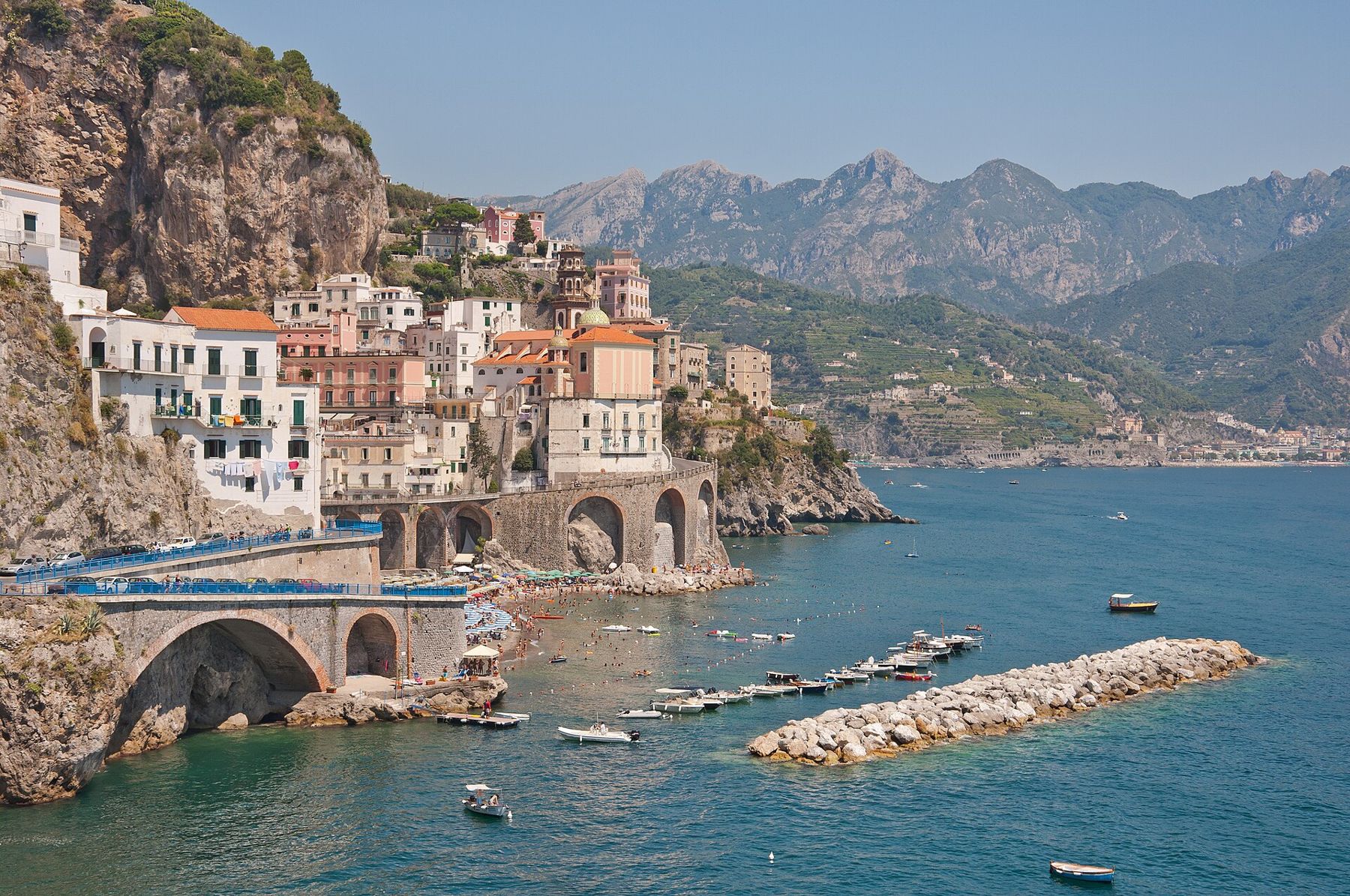
Every popular destination has a peak: the weeks when the weather is most reliable, schools are out and everyone wants to be there at once. Prices for rooms and flights rise with demand, and the best-known sights fill up. Shoulder season is the stretch either side of that peak. The weather is usually still good, the crowds are thinner, and the trip often costs noticeably less.
It is not a free gift. The trade-offs are real, and knowing them in advance is what makes a shoulder-season trip work.
What shoulder season means
In much of Europe and the Mediterranean, the peak is summer, so the shoulders are roughly spring and early autumn. In places where the peak is winter, such as ski resorts or warm winter escapes, the shoulders fall at different times. In tropical regions with a wet and a dry season, the shoulder is often the start or end of the rains. And south of the equator, the seasons are reversed, so the calendar flips entirely.
School holidays and public holidays shape the peak as much as weather does. A week that sits in the shoulder for one country can be a national holiday in another, with every train and room taken. Before you choose dates, look at the school and public holidays both in your destination and in the countries whose visitors tend to go there.
The weather trade-off
The shoulder months usually bring more variable weather than the peak. Spring can be bright, mild and showery in the same day. Early autumn often keeps the warmth of summer, with cooler nights and a rising chance of rain. In the mountains, high paths may still hold snow in late spring, and some passes and huts open only in summer.
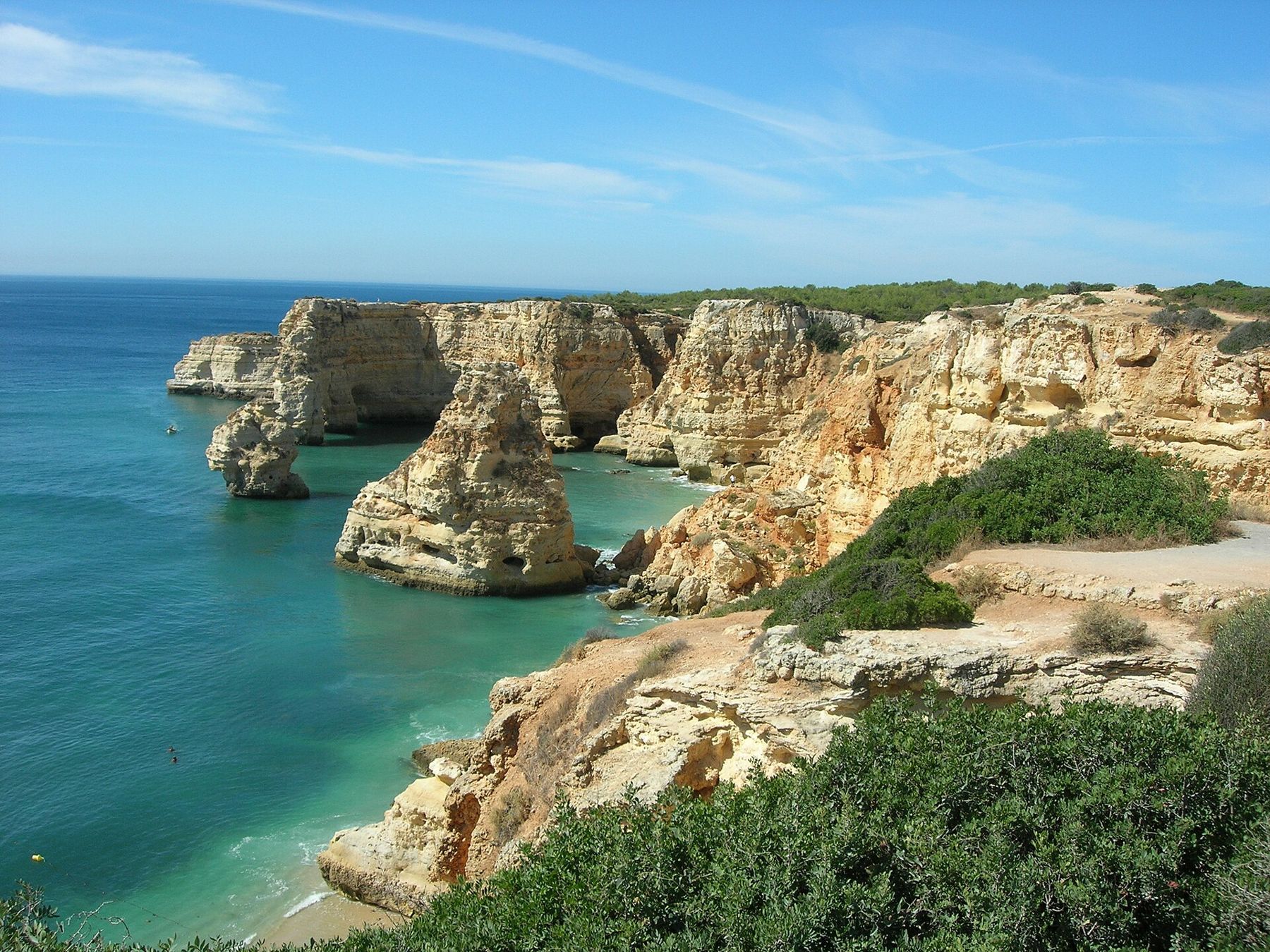
By the sea, timing matters in a different way. The water usually lags behind the air, so it is colder in spring than you might expect and stays warmer into autumn. A coast like the Algarve can be very pleasant for walking in spring, while autumn tends to suit swimmers better. Pack for a range of conditions, using the layering ideas in packing for rain, heat and cold, and keep one or two indoor plans for wet days.
Crowds and prices
Lower demand usually means lower prices for rooms, and often for flights, though not always: a single event or holiday can push them back up for a few days. Popular places feel very different outside the peak. Streets that are packed in August can be easy to walk in October, and the queue for a famous view may shrink from an hour to a few minutes.
Prices and demand vary by destination and by year, so compare a few dates before you settle. Check the cost of the same room in the peak and in the weeks either side, and write both down. If the gap is large, the shoulder is likely worth it. If it is small, the peak may be worth paying for its more settled weather.
Opening hours and timetables
This is the trade-off people miss. Outside the peak, many seaside and mountain places shift to reduced hours. Some museums and sights shorten their opening times or close on more days. Ferries, tourist buses and mountain lifts may run fewer services, or stop for the season altogether. Some restaurants and lodgings close for weeks at a time.
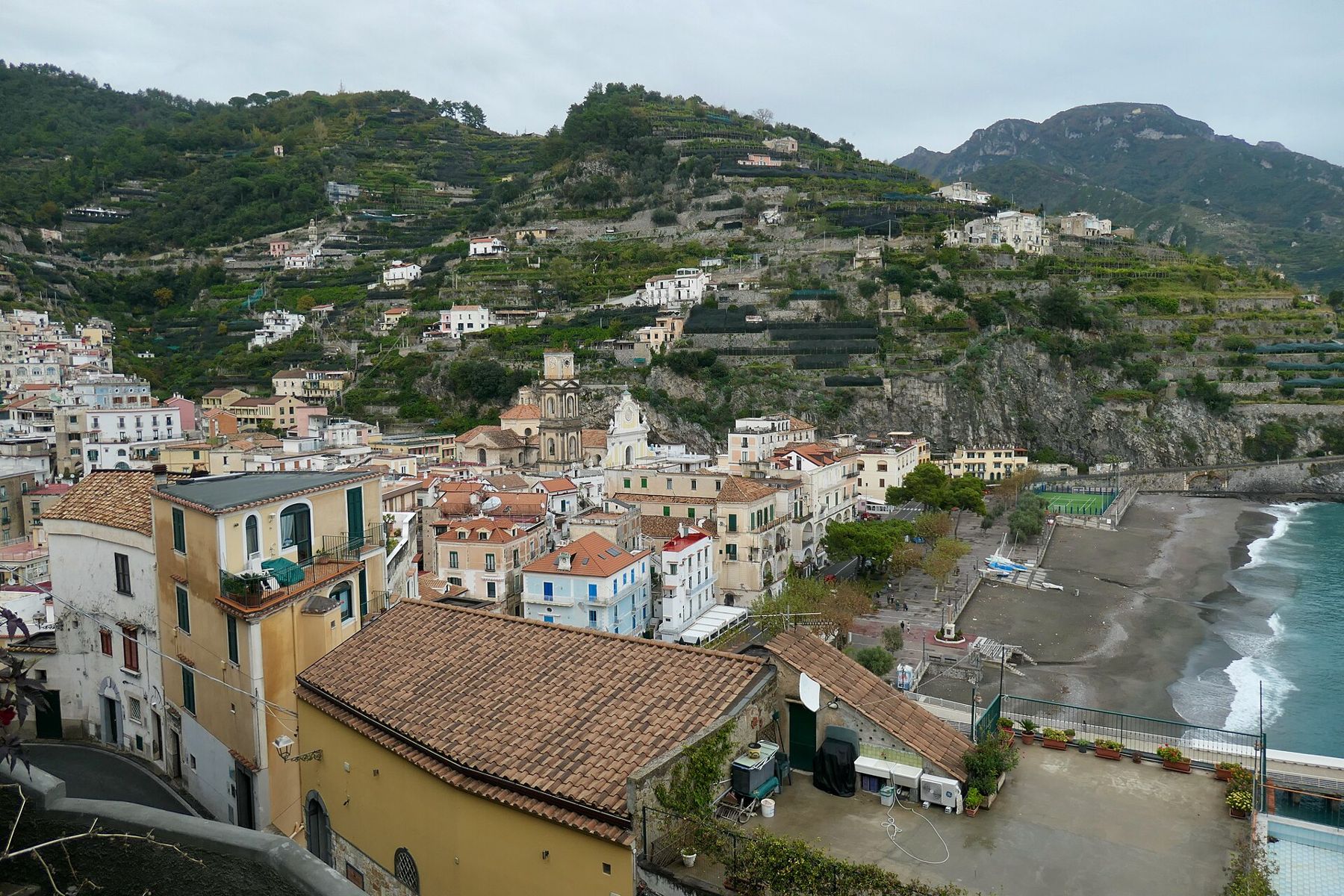
Along a coast such as the Amalfi Coast, where boats and buses link the towns, a reduced timetable can change how you plan each day. Check the operators' own timetables for your actual dates, not the summer ones, and confirm the opening days of anything you have built a day around. Leave a little slack, as the one-page itinerary suggests, so one cancelled boat does not undo the plan.
Examples by region, in general terms
- Mediterranean coasts: spring and early autumn, with cooler sea in spring and more closures as autumn goes on.
- Northern European cities: late spring and early autumn, with longer days in spring and some outdoor sights winding down in autumn.
- Mountain regions: late spring and early autumn, between the ski and hiking seasons, when some lifts and huts close.
- Tropical regions: the edges of the wet season, with rain often in short bursts rather than all day, though this varies widely.
These patterns are broad. Every region has its own calendar of festivals, storms and closures, so treat the list as a starting point, then check the details for the exact place and dates.
Planning a shoulder-season trip
Start early. The best value usually goes to people who decide on dates well ahead and watch prices for a while, rather than booking in a rush. Choose a base with indoor options as well as outdoor ones. Plan the key outdoor day for the middle of your stay, so you can move it if the forecast is bad. And carry a waterproof, whatever the forecast says on the day you leave.
Then enjoy what the shoulder gives you: quieter streets, people with more time to talk, and a little more money for the things you came for. Keep a note in your travel journal of what was open, what was shut and how the weather really behaved. It will help the next time you choose your dates.
Who shot these snapshots
- Paolo Costa Baldi CC BY 3.0
- Had01 at Czech Wikipedia ( Original text: Had01 ) Public domain
- Bruno Rijsman CC BY-SA 2.0