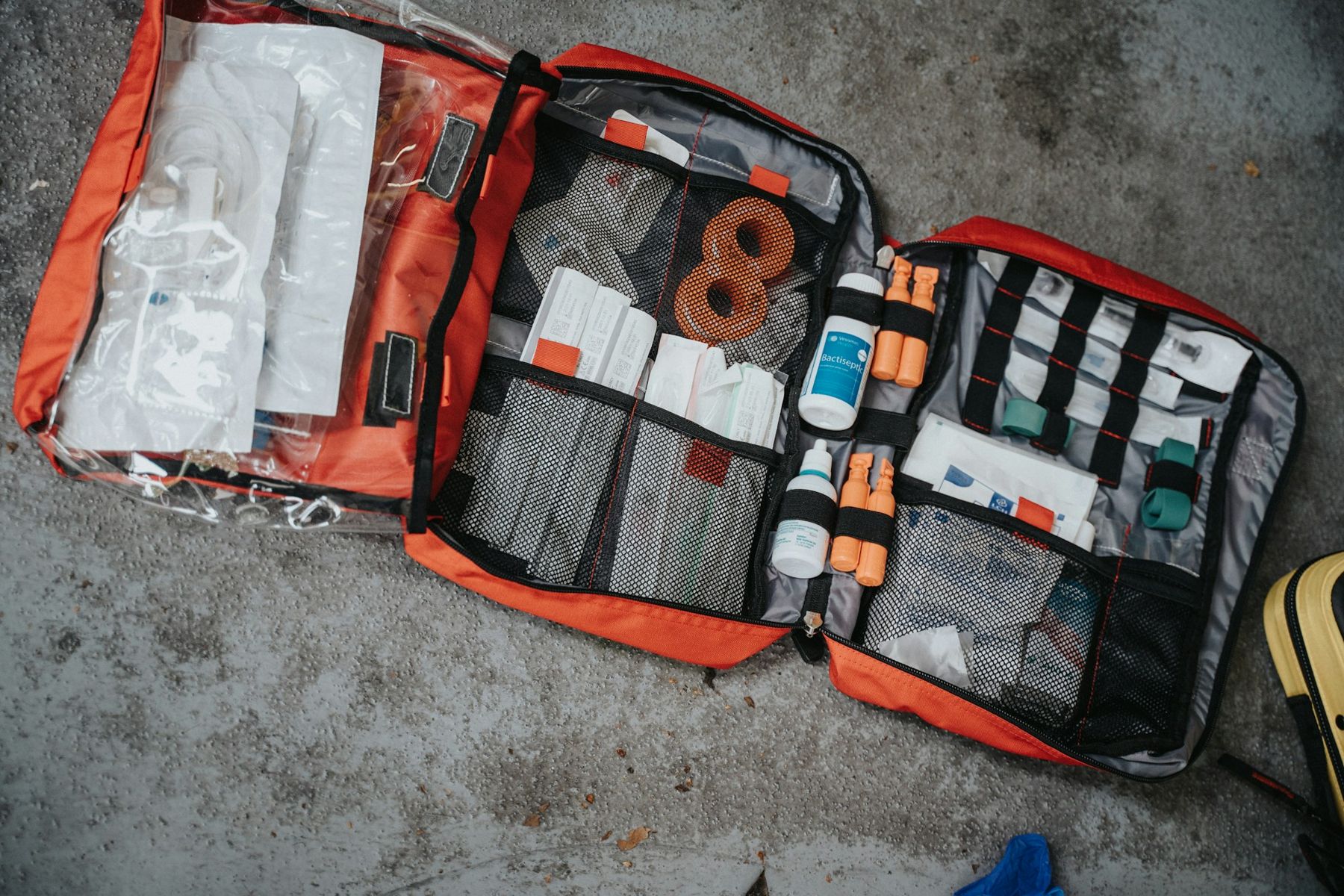
Health planning is the part of a long trip most likely to be left too late. Some vaccines need more than one dose, weeks apart. Some medicines need paperwork to cross a border. A dental problem that is a nuisance at home can be a real trouble far from it. None of this is complicated, but it does need time, so start well before you leave.
This page is a planning list, not medical advice. A doctor, nurse or travel clinic can tell you what applies to you, and official government health advice sets out what applies to each country.
When to see a travel clinic
Book an appointment with a travel clinic or your own doctor as soon as your route is clear, ideally two months or more before you leave. That gives time for any vaccine courses that need several doses, and for any that take a while to become effective. If you are leaving sooner, go anyway; a late appointment is still far better than none.
Bring your route, your dates, the kind of trip you are planning and your vaccination record if you have one. The advice for a city break and for weeks in rural areas can be very different, as can the advice for long trips, pregnancy, young children or ongoing health conditions.
Vaccinations and official advice
Recommended vaccinations depend on where you are going, what you will do there and your own history. Some countries require proof of certain vaccinations for entry, particularly yellow fever for travellers arriving from some regions. Requirements and recommendations change, so check your government's official travel health pages for each country on your route, and follow the clinic's advice.
Keep any vaccination certificate with your passport, in the documents folder, since you may be asked for it at the border. Make sure routine vaccinations are up to date too; they are easy to forget when you are focused on the unusual ones.
Prescriptions and medicines abroad
If you take regular medicine, bring enough for the whole trip plus a few extra days, in case of delays. Keep it in your hand luggage, in its original packaging, with the pharmacy label showing your name. Carry a copy of the prescription or a letter from your doctor listing what you take and why, using the generic names.
Some medicines that are ordinary at home are controlled or banned in other countries, including some painkillers, sleeping tablets and medicines for attention conditions. A few countries ask for a permit in advance. Check the rules on the destination government's official site or with its embassy before you travel, and ask your doctor about alternatives if a medicine is restricted.
If your medicine needs to stay cool, or must be taken at set times, plan for that too. Crossing several time zones can shift your schedule, and a doctor or pharmacist can help you work out how to adjust.
A small kit that covers most days
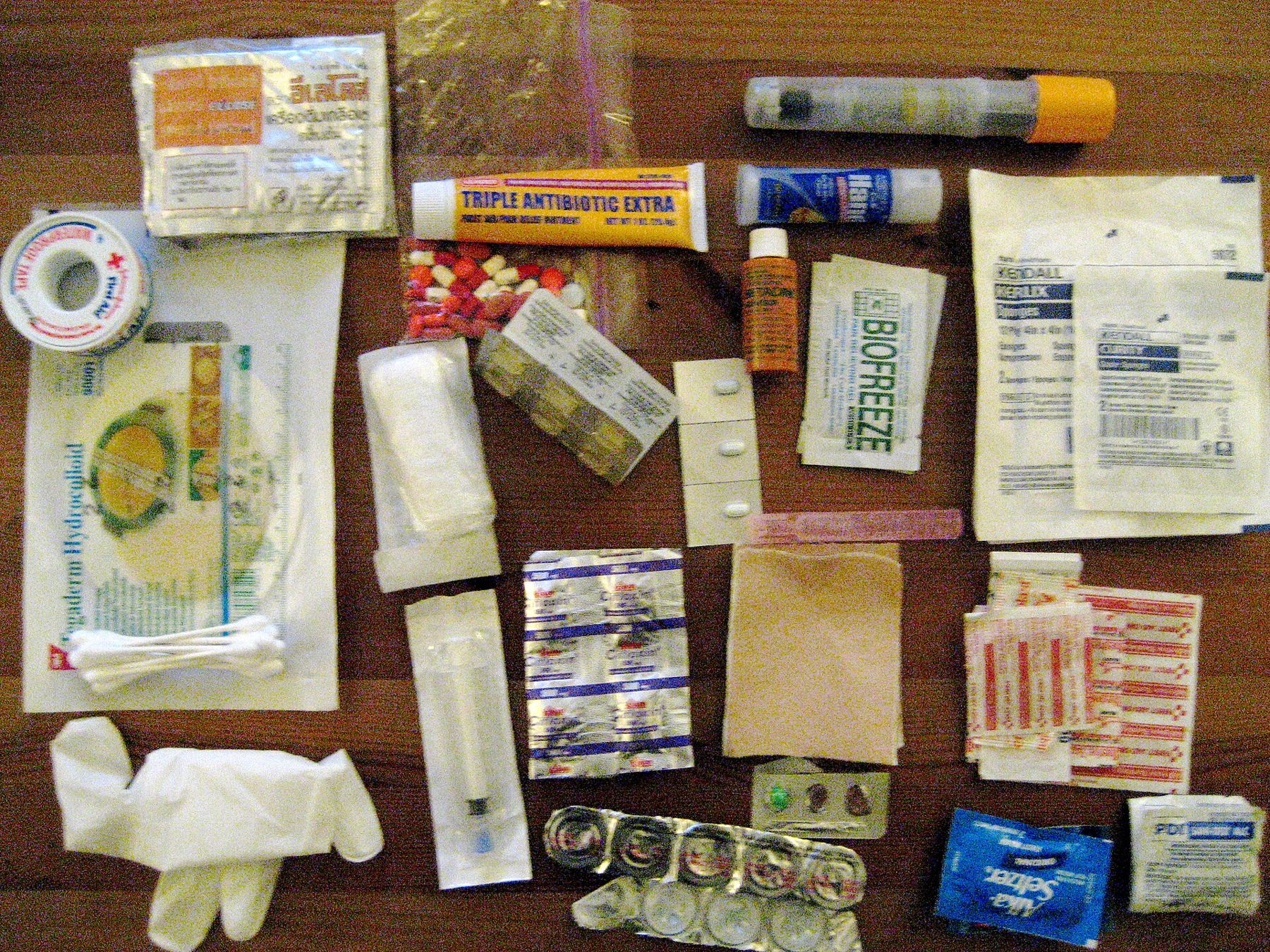
A travel first aid kit does not need to be large. Most of what goes wrong on a trip is small: a blister, a headache, an upset stomach, a cut finger, a sting. A compact pouch handles nearly all of it.
- Plasters in several sizes, and blister plasters.
- Painkillers you know suit you.
- Oral rehydration sachets and something for an upset stomach.
- Antiseptic wipes or cream and a small roll of tape.
- Insect repellent and sun cream for the destination.
- Any personal items, such as spare glasses or contact lenses.
For remote trips, the clinic may suggest more. Anything bulky, such as large bottles of sun cream, can be bought on arrival, as packing for rain, heat and cold also suggests.
Insurance and the practical checks
Check that your travel insurance covers medical treatment abroad and getting you home if needed, and that you have declared any existing conditions it asks about. Write the medical assistance number in the notebook. In some countries, treatment for visitors must be paid upfront and claimed back later, so keep receipts.
A dental check-up a month or two before a long trip is worth the time, and so is a quick look at anything you have been putting off. Note your blood group if you know it, and any allergies, on the inside cover of the notebook. If you have a serious allergy or condition, consider carrying a written note of it in the local language.
Glasses and contact lenses need a moment of thought as well. Pack a spare pair of glasses, or at least a copy of the prescription, because replacing them abroad can take days. Contact lens wearers should bring enough lenses and solution for the trip, plus glasses for days when the eyes need a rest.
On the journey and on arrival
On long flights, move your legs, walk the aisle when you can and drink water. Ask your doctor if you have a higher risk of blood clots. Where tap water is not safe to drink, use bottled or treated water, including for brushing teeth. In strong sun, cover up, use sun cream and rest in the hottest hours. In areas with mosquito-borne diseases, follow official advice on repellent, clothing and nets, and on any preventive medicine.
Above all, know where to get help. Note the local emergency number and, for longer stays, find the nearest clinic or pharmacy on your first day. Then put the kit away and enjoy the trip; with luck, the budget line for the pharmacy will stay empty.
Who shot these snapshots
- Mat Napo Unsplash License
- Mat Honan from San Francisco, CA, USA CC BY 2.0