A road trip looks simple on a map: a line from here to there, with towns along the way. The trouble comes from treating that line as a timetable. Roads have roadworks, towns have traffic, drivers get tired, and a single extra stop for a view can add an hour. Good road trip planning starts with a limit on how much you drive each day and builds everything else around it.
Set a daily driving limit
Decide how many hours of driving you want on a typical day before you look at distances. For most people, four to five hours at the wheel is plenty if you also want to see something at the end of it. Six or more is a travel day, nothing else. If two of you share the driving, the limit can stretch a little, but tiredness still adds up across a week.
Then take the driving times from a map and add to them. Mapping tools assume clear roads and no stops. Add a third for fuel, food, rest and the unplanned turn-offs, and you will be close to the real length of the day. A common rule of thumb is to take a break of at least fifteen minutes every two hours; write those breaks into the plan rather than hoping to remember them.
Lay the route out on paper
A paper road map is not nostalgia. It shows you the whole region at once, including the roads your phone did not suggest, and it works with no signal and a flat battery. Spread it out, mark your start and end, and draw circles at roughly one day's driving from each other. Those circles are your overnight stops.
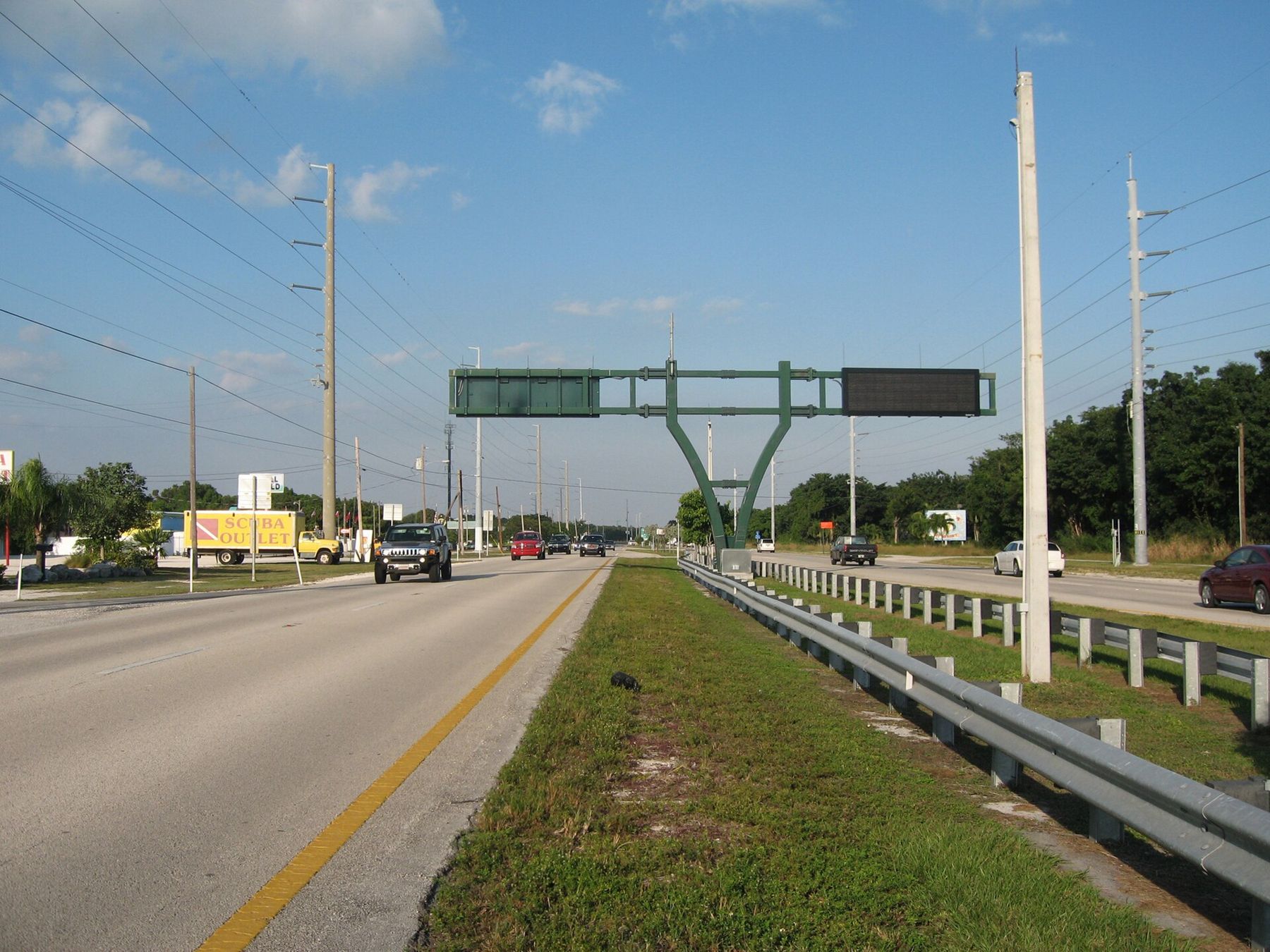
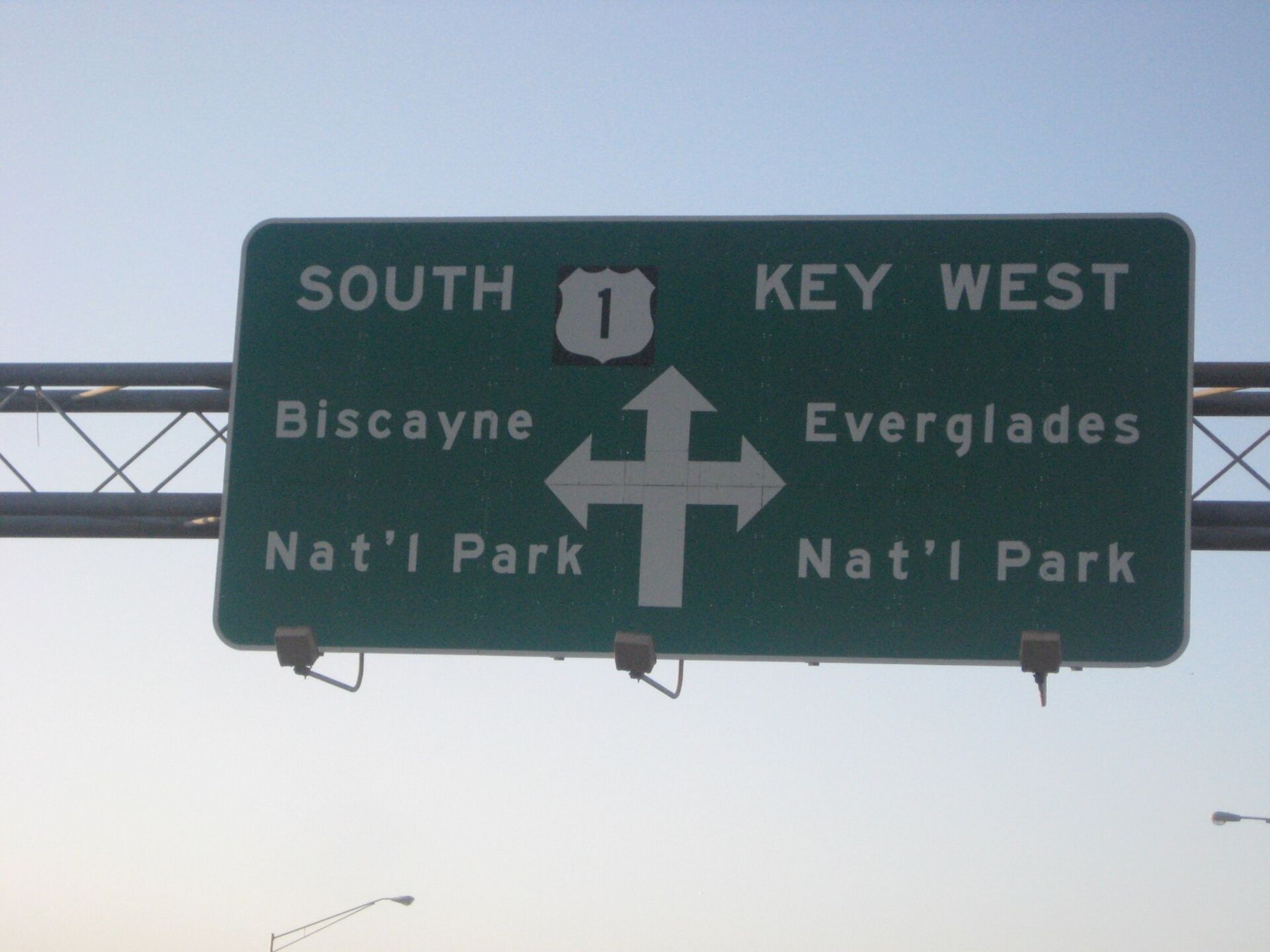
Some routes leave no choice at all. The Overseas Highway through the Florida Keys, part of US 1, is one road strung across islands and bridges, counted down by mile markers towards Key West. On a route like that, any closure stops everything, and the buffer you leave matters more than the route you choose. Elsewhere, look for a second road that could carry you round a problem, and pencil it in. Keep the backup thinking from when plans change on the road close at hand. The days themselves fit neatly into the grid from your first one-page itinerary, one row per driving day.
Fuel, food and rest stops
In busy regions you can fill up whenever the gauge drops below half. In remote ones, fuel stations can be far apart and some close at night. Mark the towns with fuel on your map before you set out, and on long empty stretches fill up whenever you can, not when you must.
Plan food the same way. Carry water and something to eat in the car, so that a closed roadside stop is an annoyance and not a problem. Choose rest stops that let you walk: a viewpoint, a short trail, a small town square. Ten minutes on foot does more for a tired driver than ten minutes in a car park.
A day on the page
- Start town, end town, and the driving hours with a third added.
- Two rest stops marked, at least one with a short walk.
- Fuel towns underlined; the last one before any long gap circled.
- The overnight address written in full, with arrival time and contact.
Overnight stops and booking
Book ahead for nights in places with few rooms or heavy demand: near national parks, in small towns during festivals, along popular coasts in high season. Elsewhere, you can leave some nights open, which lets you stay longer where you like it and move on where you do not.
Try to arrive before dark, especially on unfamiliar roads, roads with wildlife, or routes where your room is a long way from the main road. Arriving with light left also gives you time to find food, fuel and the next morning's route. Two nights in the same place every few days gives you a day without packing the car, which you will value more than you expect.
Buffer days and slow days
Put one unbooked day into every week of a road trip. If a road closes, the car needs attention or the weather turns, the buffer absorbs it. If nothing goes wrong, it becomes the best day of the trip: a long lunch, a swim, an extra night somewhere you did not want to leave.
Slow days are different from buffer days. They are planned days with little or no driving, usually after two or three long ones. A pattern of drive, drive, stay keeps the trip from feeling like a delivery route. Put the slow days where the scenery is best, so you spend them walking and looking rather than watching the road.
Papers, rules and costs
Driving abroad brings paperwork. Some countries ask visitors to carry an international driving permit alongside their own licence, rental terms set their own age and licence rules, and insurance cover varies. Toll roads, low-emission zones and parking rules differ by country and sometimes by city. Check the official government sources for the countries you will drive in, and read the rental terms before you sign, not at the counter.
Keep the licence, any permit, the rental agreement and the insurance details together in the car, with copies in the documents folder. Fuel, tolls, parking and one-way drop-off fees all add up, so give them their own line in the trip budget. Then fold the map, put the notebook in the door pocket and start driving, slowly.
Who shot these snapshots
- Unknown author Unknown author or not provided Public domain