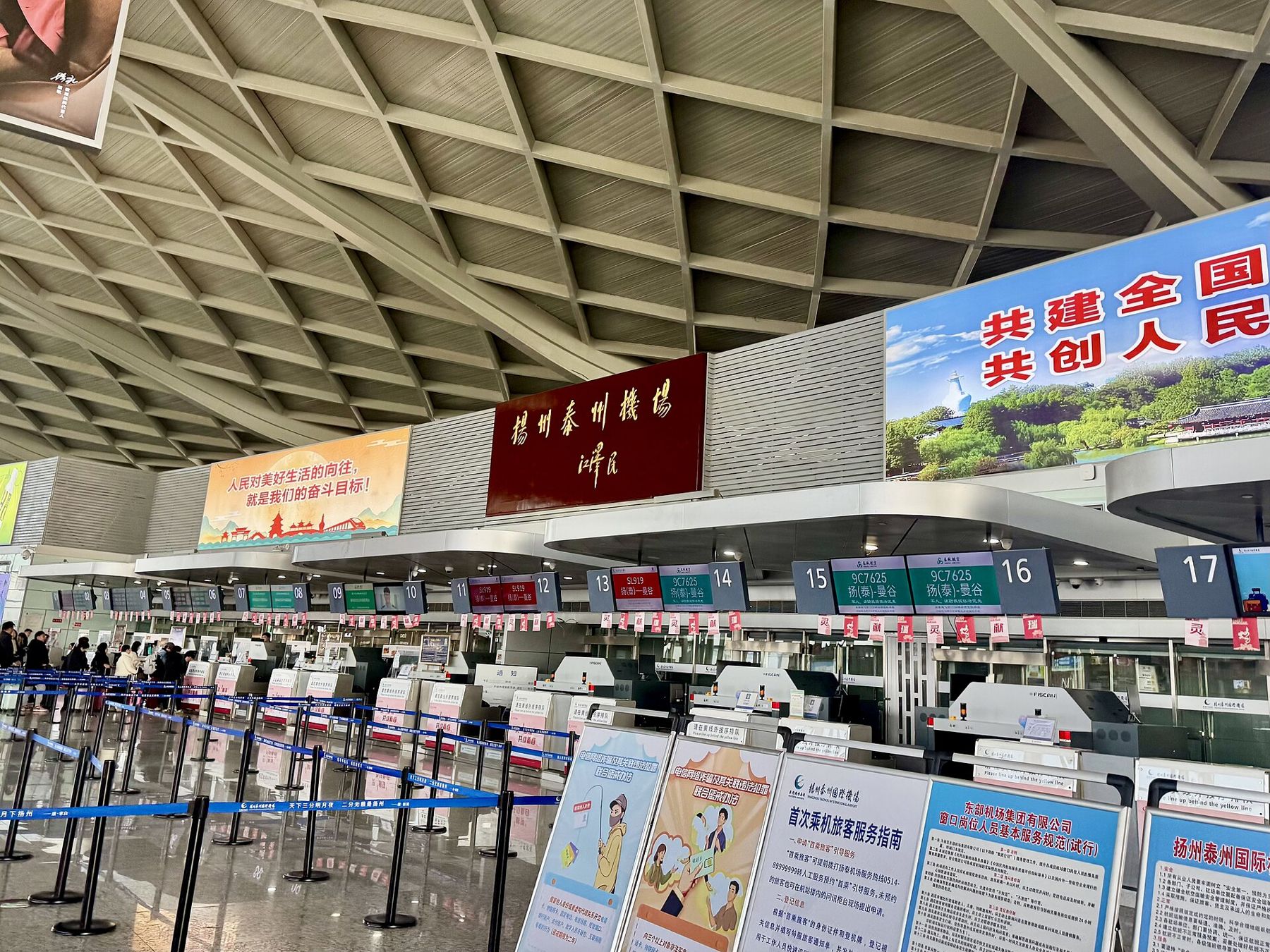
A trip budget usually starts with the two big numbers: the fare and the room. The surprises come from everything around them. Each extra is small on its own, and most are perfectly fair, but together they can add a real share to the cost of a trip. Nearly all of them can be found before you leave, if you know where to look. This page is a list of where to look.
Bags, seats and the fare you actually pay
Many airlines now sell a basic fare and charge separately for things that were once included: a checked bag, a full-size cabin bag, choosing a seat, sometimes even printing a boarding pass at the airport. The rules differ between airlines and between fares on the same airline, and they change.
So price the trip you will actually take. If you need a checked bag, add it before you compare two fares. If you want to sit together, add the seats. Read the baggage rules on the airline's own site, and measure your bag, because fees at the gate for an oversized cabin bag are usually higher than paying in advance. Travelling with carry-on only removes several of these costs at once, if your fare allows the bag you need.
Trains and ferries have their own versions: seat reservations on some services, charges for bicycles or large luggage, and different prices for flexible and fixed tickets. A fixed ticket is often cheaper, but changing it can cost money or be impossible.
Getting to and from the airport
The transfer at each end is one of the costs travellers forget most often, and it can be large where an airport is far from the city or arrives late at night. Look up the options before you go: an airport train, an express bus, a shared shuttle or a taxi. Note the price range and the hours, since public transport may stop before a late arrival.
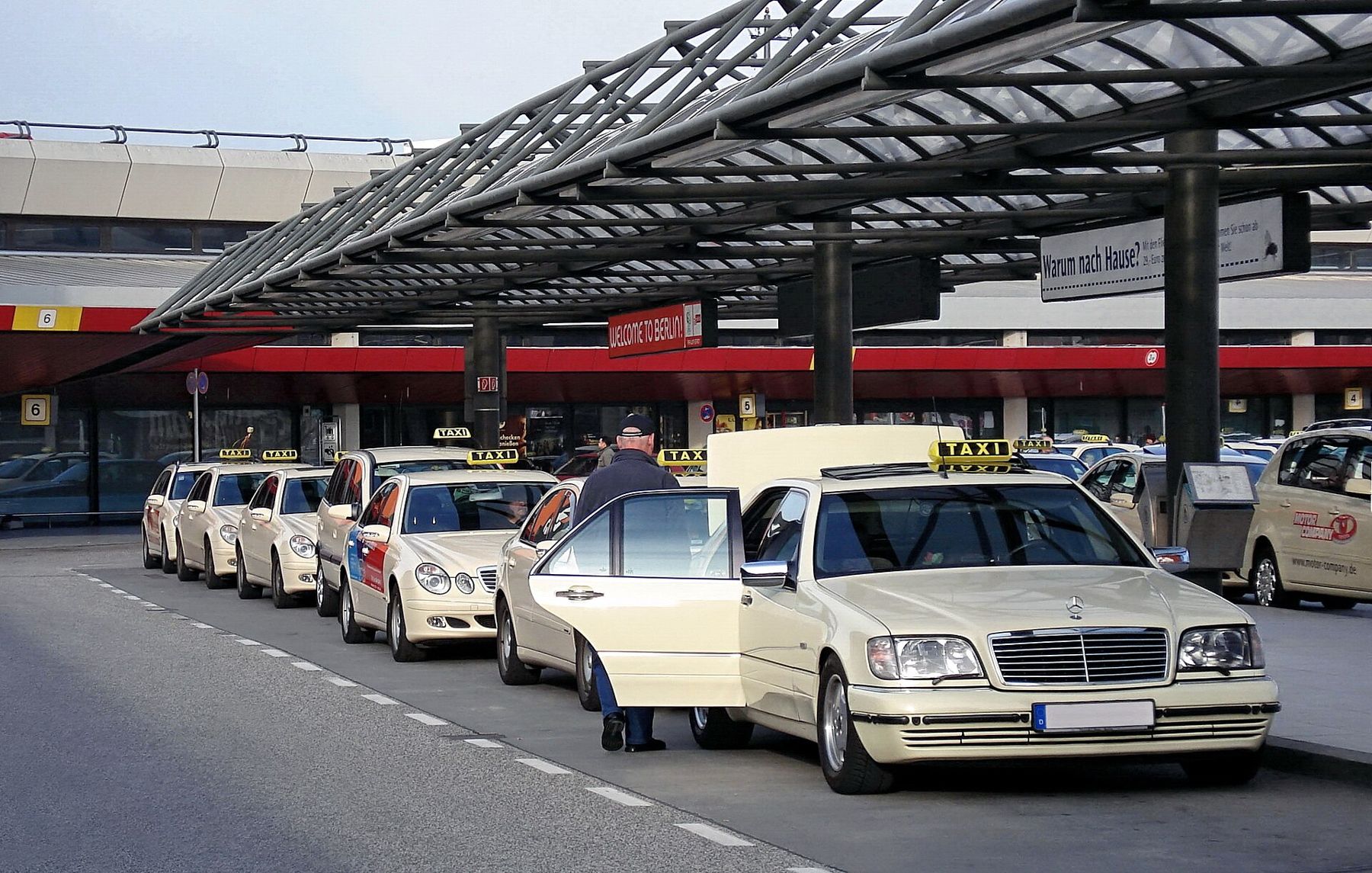
Taxis from airports are often priced differently from those in town, with fixed fares to the centre in some cities and surcharges for luggage or late hours in others. Use the official rank, not a driver who approaches you inside the terminal. And count the transfer twice: once on arrival and once on departure, when an early flight may leave you no choice but a taxi.
City taxes and charges at the desk
Many cities and regions charge a tourist or city tax on overnight stays, usually per person per night, sometimes varying with the type of room. It is often not included in the price you see when booking and is collected when you arrive or leave, in some places only in cash. Check the terms of your booking and the city's own information, and write the tax into the fixed costs.
Other charges at the desk can include a refundable deposit held on your card, fees for early check-in or late check-out, parking, and in some places a resort or facility fee. None is hidden if you read the booking terms carefully, which is exactly why it is worth doing before you pay.
Cards, cash machines and conversion
Paying abroad can carry fees you never see at home. Some cards add a charge to every foreign payment; some cash machines charge their own fee on top of your bank's. Ask your bank what applies before you go, and consider a card with low foreign fees if you travel often.
When a card terminal or cash machine offers to charge you in your home currency, choosing the local currency is usually the better deal, because the conversion offered at the machine often comes with a margin. Take out larger amounts less often, rather than small sums every day, if your bank charges per withdrawal.
Tipping and service
Tipping customs vary more than almost any other cost. In some countries a tip is expected in restaurants, taxis and for hotel staff, and it forms part of how staff are paid. In others, service is included in the price, and in some places tipping is unusual or can even cause mild embarrassment. Read up on the customs for each country you visit, and note whether a service charge already appears on the bill.
Write the usual practice for your destination on the budget page, so you are not working it out at the table. Note also whether tips are normally left in cash or added to a card payment, since a card machine may not offer the option, and keep a few small notes or coins ready for it. Where tips are customary, they belong in the daily budget, not in the margin.
The small daily leaks
Last come the costs too small to notice one by one:
- Luggage storage on the day you check out but leave late.
- Public toilets that charge a small fee.
- Bottled water in places where tap water is not safe to drink.
- Entry fees for churches, viewpoints and gardens you assumed were free.
- Phone data if your plan does not cover the country, covered in phones and offline maps.
- Laundry, padlocks, adapters, a replacement charger.
None of these will ruin a trip. Together, over two weeks, they can quietly eat a buffer. Give them a line in the daily ledger, and they stop being surprises. Then you can spend the rest of your attention on the trip itself, which is where it belongs.
Who shot these snapshots
- YitsunChu CC BY-SA 4.0
- Matti Blume, MB-one CC BY-SA 3.0