A week is short for Japan, but the railways make it go further than you might expect. Fast trains link the big cities, local lines reach the smaller towns, and timetables are printed, posted and generally kept. The plan on this page covers Tokyo, Kyoto, Nara, Hiroshima and the island of Miyajima, with no car and no more than one long journey a day.
It starts on paper, not in a booking screen. Draw a straight horizontal line across a notebook page and mark the cities on it from left to right: Tokyo, Kyoto, Osaka, Hiroshima. Nara hangs below Kyoto on a short branch; Miyajima hangs below Hiroshima. That diagram is the whole trip, and every plan below can be read off it.
The week at a glance
| Day | Where | Main journey |
|---|---|---|
| 1 | Tokyo | Arrival, a short walk, early night |
| 2 | Tokyo | Local trains and subway only |
| 3 | Kyoto | Shinkansen west, a little over two hours |
| 4 | Kyoto | On foot and by bus |
| 5 | Nara | Day trip by local train, under an hour each way |
| 6 | Hiroshima and Miyajima | Shinkansen west, then a short train and ferry |
| 7 | Osaka or Tokyo | Train to your departure airport |
Flying into Tokyo and out of Osaka saves the long ride back east on the last day. If that costs too much, keep day seven for the return and expect it to be a travel day and little else. Either way, put the departure time at the bottom of the page in ink, and plan the last morning backwards from it.
Tokyo and the first Shinkansen
Two days in Tokyo is a taste, not a survey. Pick two districts per day and use the subway and JR lines in the city to move between them. A rechargeable transit card, bought at a station machine, saves fumbling for coins at every gate; check the current options when you arrive, as the card types on sale have changed in recent years.
On day three, take the Tokaido Shinkansen from Tokyo to Kyoto. Some trains on this line stop less often than others, and seat types vary, so look at the departure boards and your ticket carefully. Large suitcases are the one awkward part: on some Shinkansen lines, bags over a certain size need a reserved space, and rules like this change. Check the operator's official pages before you travel, or send big bags ahead with a luggage forwarding service and carry a small one.
Kyoto and Nara
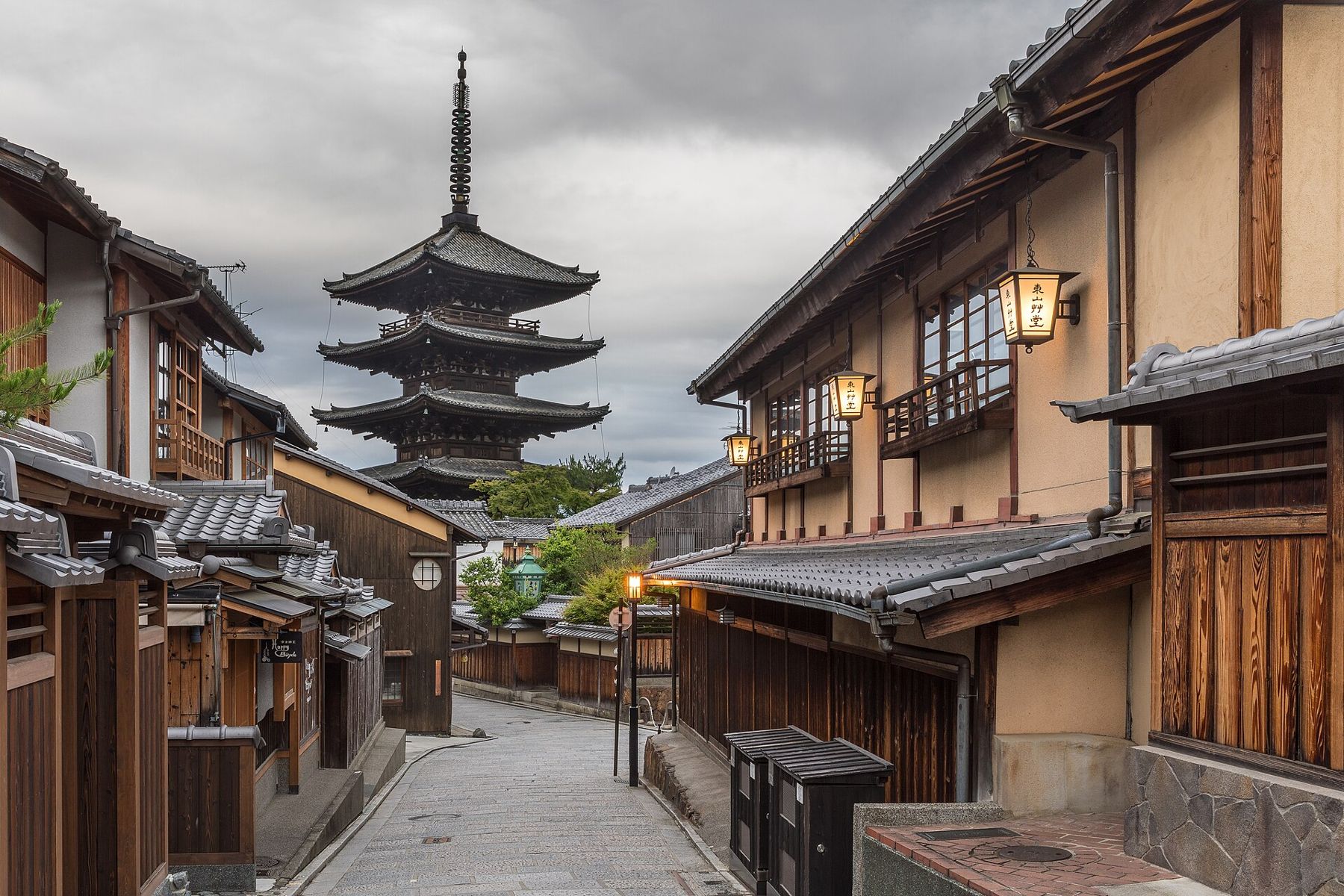
Kyoto rewards early starts. The lanes of Higashiyama, climbing towards the pagoda of Hokan-ji, are quiet at seven in the morning and crowded by ten. Plan one district per half-day, walk between temples, and use buses for the longer hops. Leave the afternoon of day four empty on purpose; Kyoto has more temples than a week could hold, and a free afternoon lets you go back to the one you liked best.
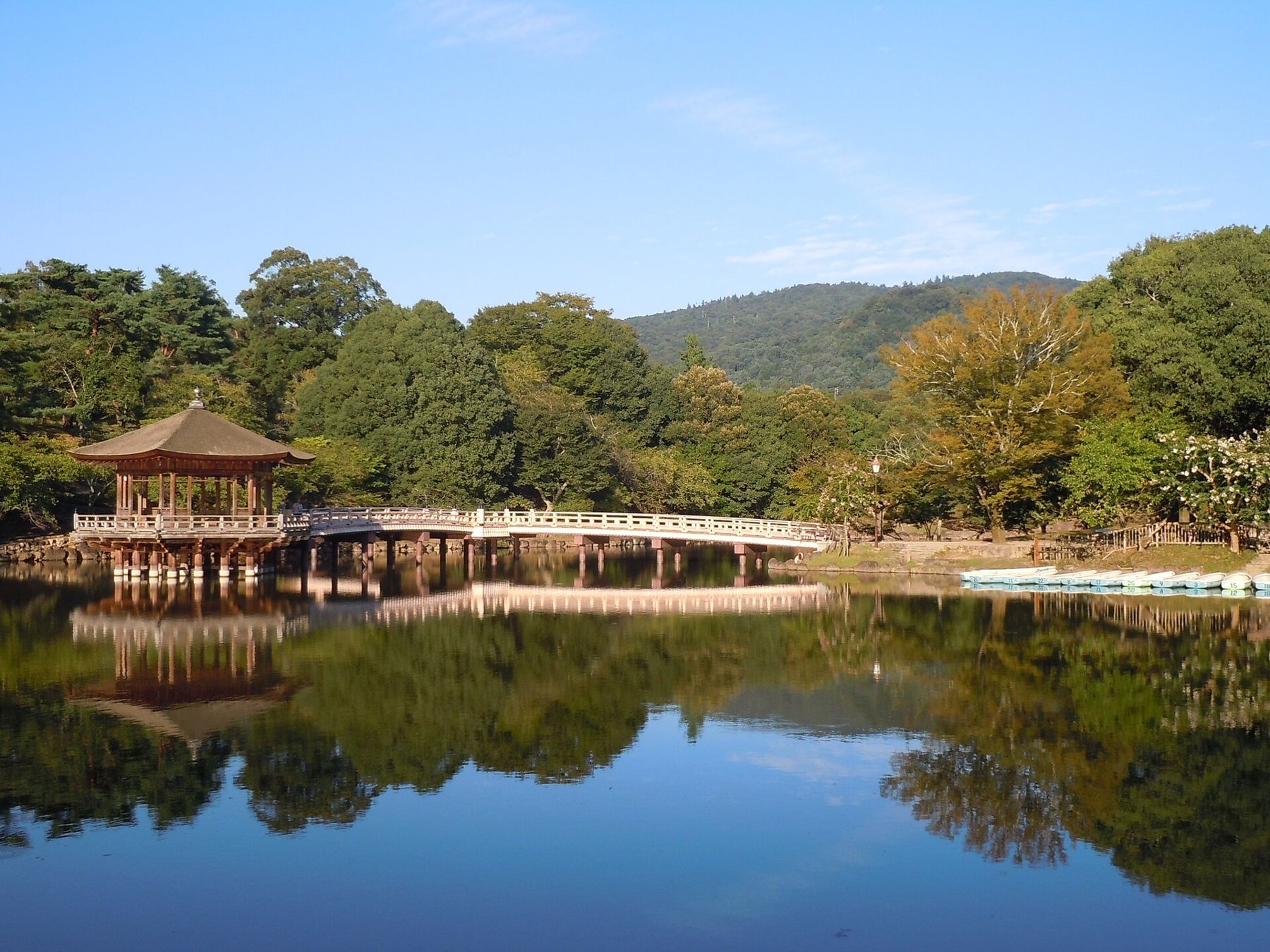
Nara is under an hour from Kyoto by local train, on a JR line or a private railway. Nara Park holds Todai-ji and its great bronze Buddha, wide lawns and the deer that wander freely among visitors. Treat the deer as wild animals, and keep paper maps and snacks out of reach. A full day here is comfortable; half a day is rushed.
Hiroshima and Miyajima
Day six is the longest on the line. Take the Shinkansen west to Hiroshima, which from Kyoto usually means the Sanyo Shinkansen through Shin-Osaka. In the city, the Peace Memorial Park and its museum ask for unhurried time; give them the morning.
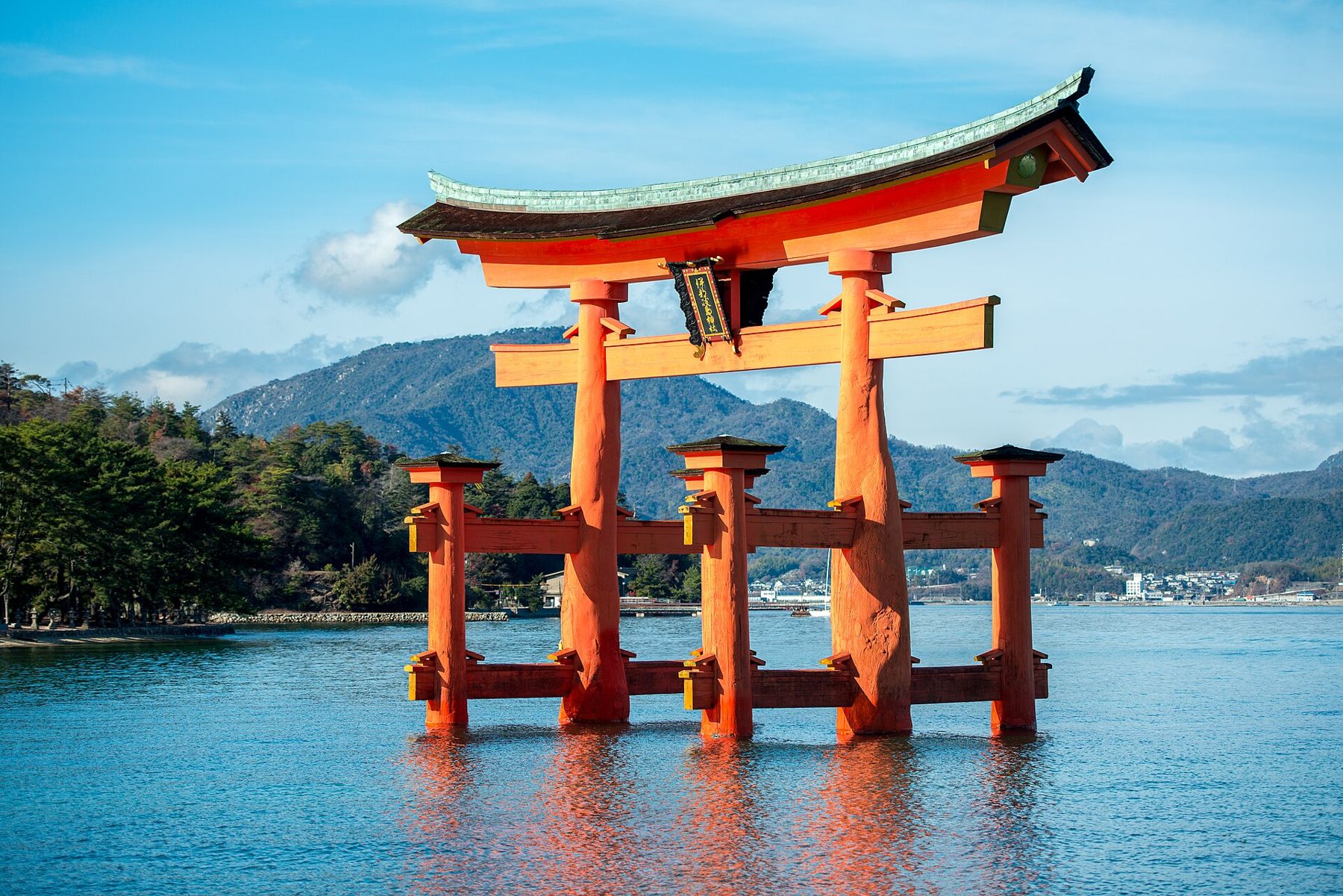
In the afternoon, a local JR train runs to Miyajimaguchi, and ferries cross from there to the island. Itsukushima Shrine is built over the tidal flats, and its great torii stands in the water at high tide. At low tide the water drains away and you can walk out across the sand to the gate. Both are worth seeing, but they are different visits, so look up the tide times for your date and decide which you want.
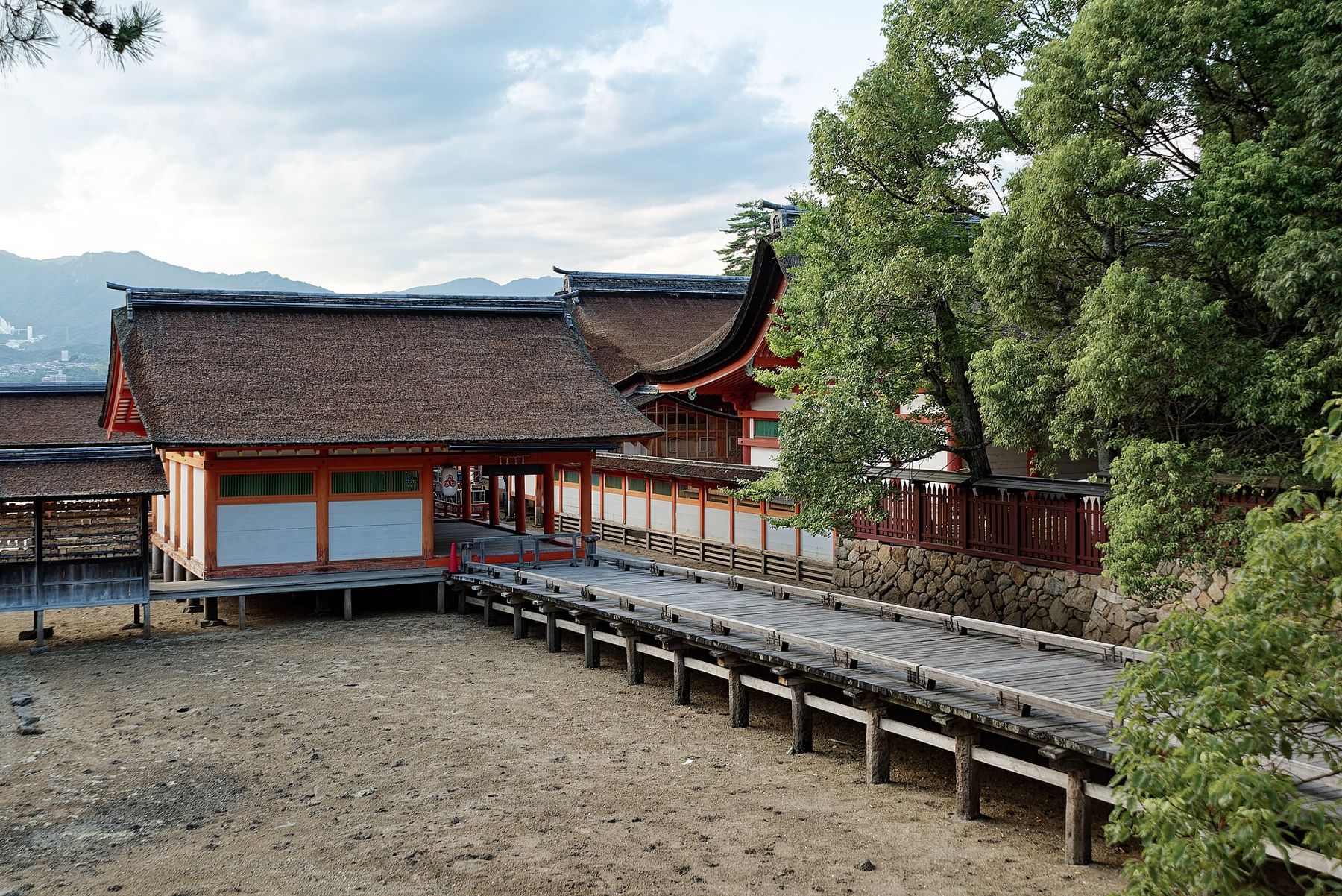
The torii is the picture everyone knows; the halls and corridors behind it, raised on posts above the flats, are the part to walk slowly. Allow at least three hours on the island, more if you want to climb into the hills.
Allow at least three hours on the island, more if you want to climb into the hills.
The day ends back on the mainland. From Hiroshima, trains run east towards Osaka for a departure from Kansai, or all the way back to Tokyo if you fly from there.
Passes, tickets and the arithmetic
Japan has long offered rail passes for visitors, including a nationwide one and several regional ones. Their prices, the trains they cover and the rules on reserved seats have all changed in recent years, and they may change again. A pass is not automatically the cheaper choice for a single week, especially if your route is one straight run west with no return.
So do the sums yourself. Write each long leg on the line diagram: Tokyo to Kyoto, Kyoto to Hiroshima, Hiroshima to your departure city. Look up the current single fare for each on the operator's official site, add them, and compare with the current pass price for the same days. Write both totals in the margin. If the pass wins clearly, buy it from an official seller; if the gap is small, single tickets give you more freedom to change trains. Keep a running tally of what you spend in the daily budget ledger at the back of the notebook.
The same caution applies to entry rules. Visa requirements, arrival forms and passport validity rules differ by nationality and change over time, so check the official government sources for your passport well before you go and keep copies in the documents folder.
Keeping the week on one page
The finished plan should fit on a single notebook spread: the line diagram on the left, the seven days on the right, with one long journey per day circled. Write train times in pencil, since they are the part most likely to change, and station names in ink. If a day goes wrong, the diagram shows you at a glance which line gets you back on track.
A week like this is full. If it starts to feel crowded, cut Nara to a half-day or drop Tokyo to one night, rather than squeezing in a fifth city. Write a few lines each evening in a travel journal; the trains, the tides and the early streets of Kyoto blur together quickly once you are home.
Who shot these snapshots
- JordyMeow CC BY-SA 3.0
- Basile Morin CC BY-SA 4.0
- Feri88 CC BY 3.0
- Jakub Hałun CC BY 4.0