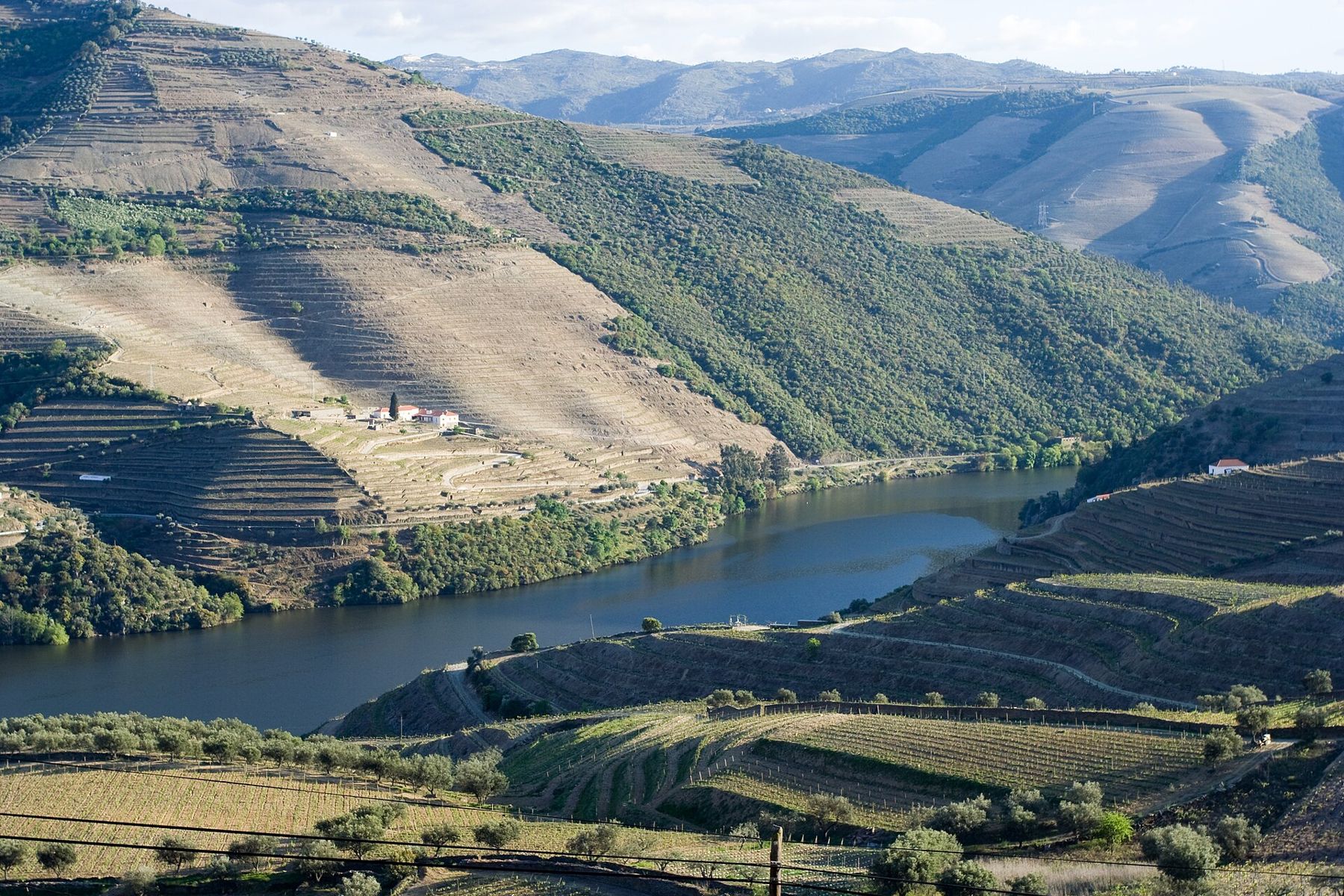
Ten days is enough to see Portugal's two big cities properly and still reach the Douro Valley, where the river bends between terraced vineyards. It is not enough to see everything, and this page does not pretend otherwise. The plan runs north from Lisbon to Porto by train, adds a day in Sintra, and finishes with two slow days up the Douro. Every leg works on public transport, so you never need to hire a car.
Before you copy it, write your own fixed points at the top of the page: the flight in, the flight out, anything already paid for. If you can fly into Lisbon and out of Porto, do it, because the whole trip then runs in one direction and you never backtrack. The method is the same one used for any itinerary that fits on one sheet: fixed points first, travel days next, slack last.
The shape of the ten days
| Days | Base | What the days are for |
|---|---|---|
| 1 to 4 | Lisbon | Arrival, old neighbourhoods, Belém, a day trip to Sintra |
| 5 | Train north | Lisbon to Porto, with an optional stop in Coimbra |
| 6 and 7 | Porto | The riverfront, São Bento station, a slack afternoon |
| 8 and 9 | Douro Valley | The river line east, vineyards, a night in the valley |
| 10 | Porto | Train back, fly home |
Four nights in Lisbon may look generous. It is deliberate: the first day after a flight is rarely a good one, and Sintra takes a full day on its own. Two nights in Porto and one in the valley keep the second half from feeling like a relay race.
Days 1 to 4: Lisbon and a day in Sintra
Lisbon is built on hills, and the hills decide your pace. Plan each day around one area rather than a list of sights, and walk downhill when you can. Alfama and the castle hill fill a morning; the streets of Baixa and Chiado fill an afternoon. The old trams that climb through the steepest streets are part of the public network, not a ride laid on for visitors, so they fill up with commuters and sightseers alike. Ride early or late, and keep your bag in front of you.
Give Belém its own half-day. The Jerónimos Monastery and the Belém Tower stand by the river west of the centre, and both draw long queues in the middle of the day. Go early, and check opening days before you go, since many museums in Portugal close one day a week.
The Sintra day
Trains run from Lisbon's Rossio station to Sintra in well under an hour. The town sits below wooded hills topped by the Pena Palace and the walls of the Moorish Castle. The climb is steep, the sites are spread out, and the palaces sell their own tickets, some with timed entry in busy months. Check the official ticket pages a few days ahead, choose two sites rather than four, and take the first train you can. Day four is the slack day: laundry, a museum you missed, or nothing at all.
Day 5: the train north
CP, the national railway, runs fast trains between Lisbon and Porto, and the journey takes roughly three hours. The faster services give you an assigned seat, so buy before the day when you can. Fares and discounts change, so check CP's own site rather than trusting an old figure.
Coimbra sits on the same line, roughly halfway. A stop there turns a travel day into a sightseeing day, with the old university on the hill above the river, but it also means carrying your bag up and down. If you would rather arrive in Porto with energy left, stay on the train and read.
Days 6 and 7: Porto
Porto is steeper and more compact than Lisbon. Start at São Bento station, whose entrance hall is lined with blue-and-white tile panels, then walk down to the Ribeira, the riverfront of tall, narrow houses. Cross the double-deck iron bridge on foot to Vila Nova de Gaia on the far bank for the view back across the water.
Keep the second day loose. It is the day to sort out the Douro: confirm your room in the valley, write the train times into this notebook, and pack a small overnight bag so the big one can stay behind if your room in Porto allows it. That small job, done calmly in Porto, is what makes the next two days easy.
Days 8 and 9: up the Douro
The Douro line leaves Porto and heads east. After Peso da Régua the track runs right beside the river for long stretches, through Pinhão and on towards Pocinho at the end of the line. The train is the slow, simple way into the valley, and the river does most of the work.
The train is the slow, simple way into the valley, and the river does most of the work.
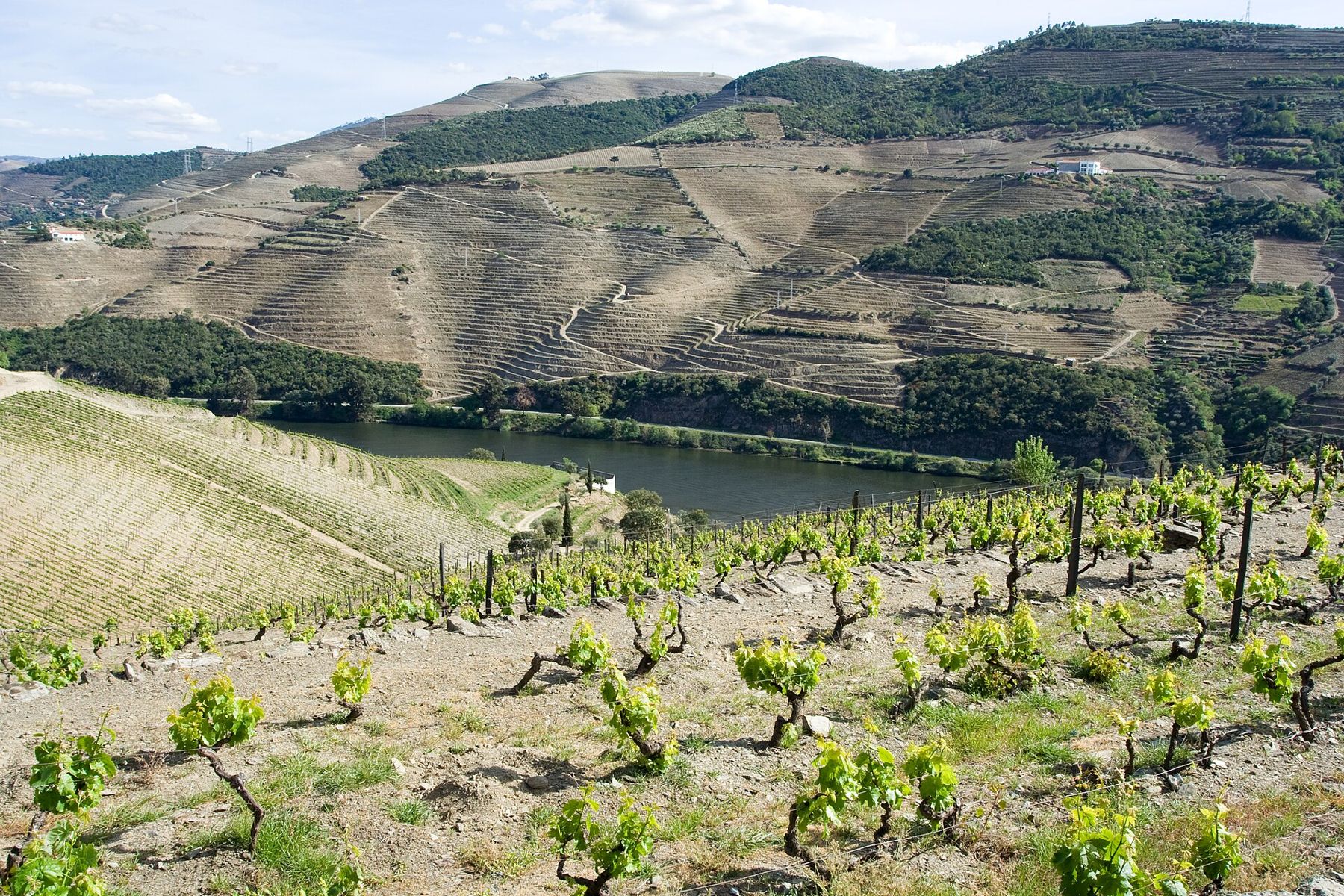
The Alto Douro wine region is a UNESCO World Heritage Site, and the reason is in front of you: terraces cut into the hillsides over centuries, stacked one above another from the water to the ridges. Most of it is still farmland, which matters when you plan. Distances look short on the map, but roads wind, villages are small and trains are few. Choose one base, Régua or Pinhão both sit on the line, and spend the night there rather than trying to see the valley in a day trip.
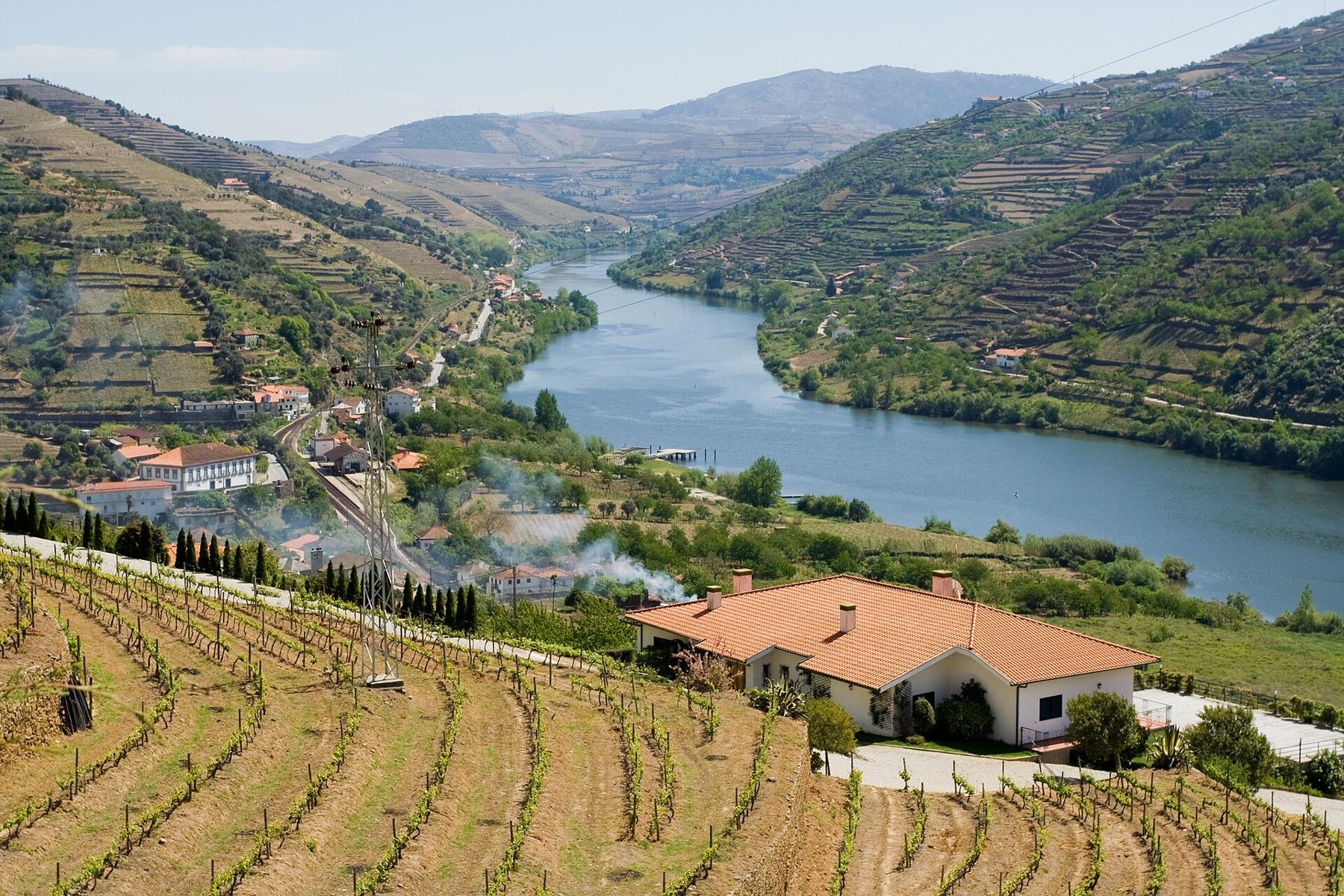
On the first day, ride out, settle in and walk along the river in the evening light. On the second, take a morning walk up through the terraces on a public track, or ride further up the line and come back, then catch an afternoon train to Porto. Harvest usually falls in September and early October, which brings colour, activity and fuller trains.
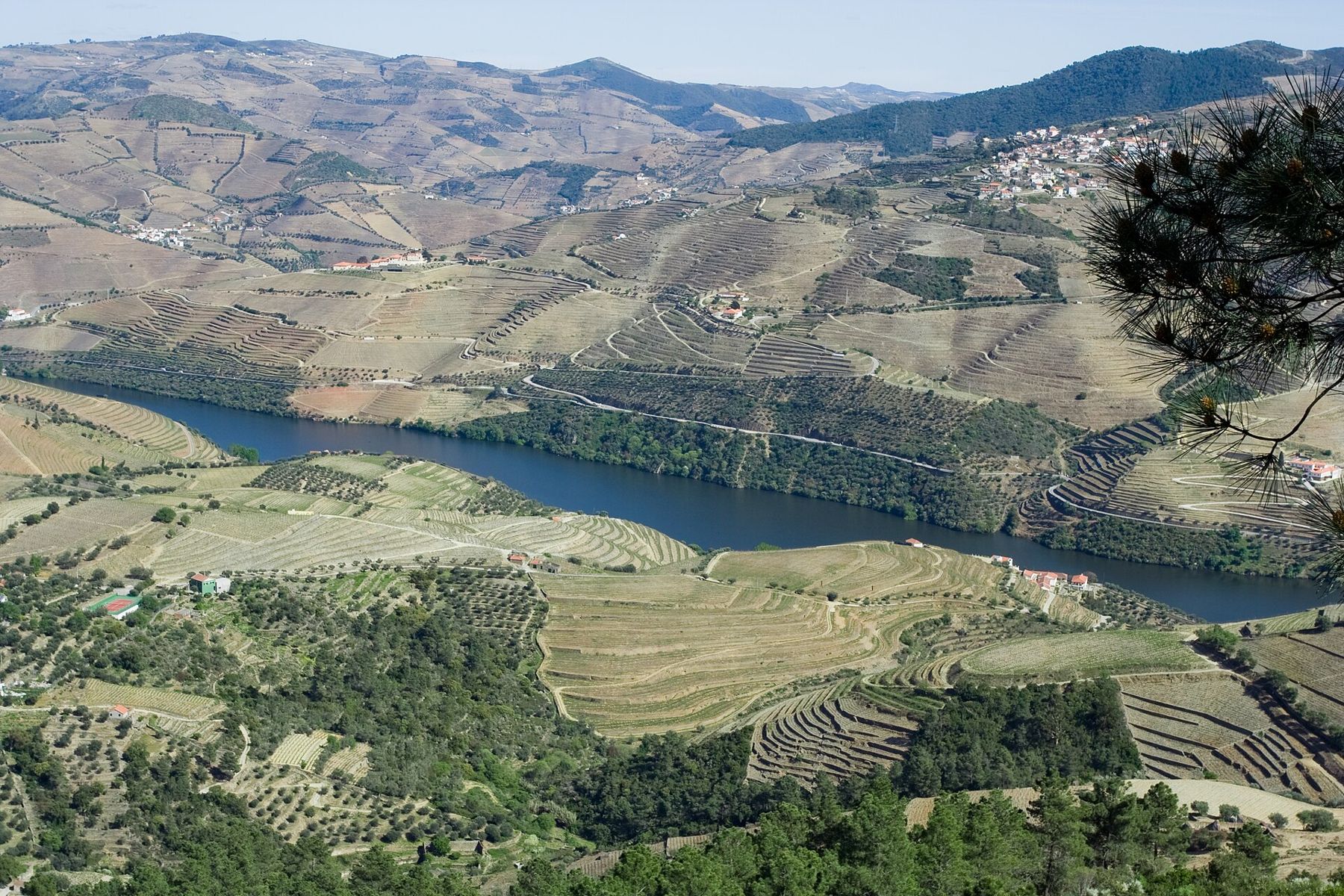
Douro notes for the page
- Trains are few: write the times down and check them again the night before.
- Bring cash for small village purchases, and water for walks on the terraces.
- Sit on the river side of the carriage for the best view.
- Leave a spare hour in case a train runs late or a connection is missed.
Day 10, pacing and money
The last day is a train back to Porto and a flight home, so keep it light. If your flight leaves early, sleep in Porto on night nine instead of the valley. Should a train be cancelled or a strike be called, the notes in when plans change on the road apply here too: your calm, your spare hour and your written list of options matter more than the plan.
Prices in Portugal vary a lot by season and by city, so this page gives no figures. Set a number per day, write it at the top of each day's column, and track it as you go, the way the daily budget page suggests. Spring and early autumn tend to bring milder weather on the steep streets and calmer trains than high summer.
Who shot these snapshots
- Marco Varisco from Albany, New York, USA CC BY-SA 2.0