
Your first itinerary does not need software, colour coding or an hour-by-hour schedule. It needs one sheet of paper, a pencil and a clear order of work: the things that cannot move go down first, the travel days next, the empty days after that, and the sights last of all. Done in that order, a two-week trip fits on a single page, and the page tells you at a glance whether the plan is sensible or quietly impossible.
The temptation with a first trip is to fill every hour, because the flights cost money and the list of places is long. Resist it from the start. A plan that leaves room for tiredness, weather and the side street you wander into is a plan you will actually follow.
Draw the grid before you fill it
Turn the sheet sideways and rule it into columns, one for each day, from the day you leave home to the day you get back. If the trip is longer than one row allows, use two rows of columns. Under each date, leave three boxes: morning, afternoon and evening. Along the bottom of each column, add a narrow strip for the night, which holds only the name of the town where you sleep.
That bottom strip is the backbone of the trip. Read along it and you see how often you move. If the town changes every night, you have found the problem before you have booked anything.
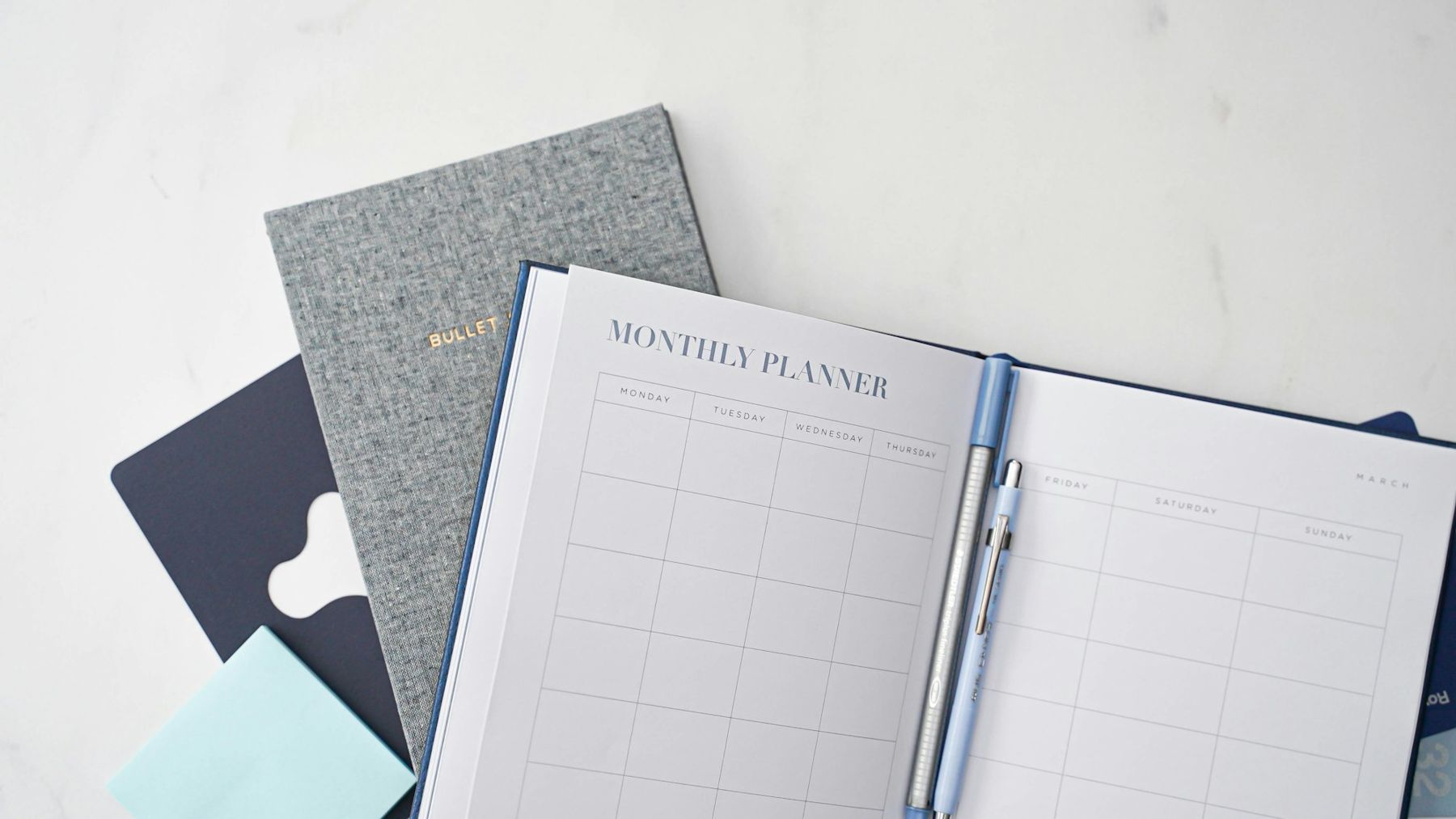
Use pencil for everything at this stage. The grid will change several times before it settles, and a page full of crossings-out in pen is hard to read on day six, when you are standing on a platform and need it.
Fixed points go in first
A fixed point is anything that cannot move without cost or loss: the outbound and return flights, a train already paid for, a wedding, a concert, a timed ticket, a night you must spend somewhere because someone is expecting you. Write these in ink, and only these.
Then look at what the fixed points do to the rest of the page. A late-evening arrival means the first day is gone, so cross out its morning and afternoon. An early flight home means the last night should be near the airport. A timed museum entry pins one morning in one city, and the days around it have to bend to reach it.
- Arrival time and airport, in the first column.
- Departure time and airport, in the last column, with the time you must leave for it.
- Anything with a ticket and a time printed on it.
- Public holidays and weekly closing days that touch your plans.
That last item catches many first-time planners. Museums often close one day a week, and public holidays can shut shops and thin out transport. Check the official pages for the places you care about before you build a day around them.
Mark the travel days honestly
Next, mark every day on which you change base. A travel day is not a free day with a short train ride in it. Count the whole thing: packing, checking out, getting to the station, waiting, the journey itself, finding the new room and the hour it takes to feel settled. A three-hour train often swallows most of a day.
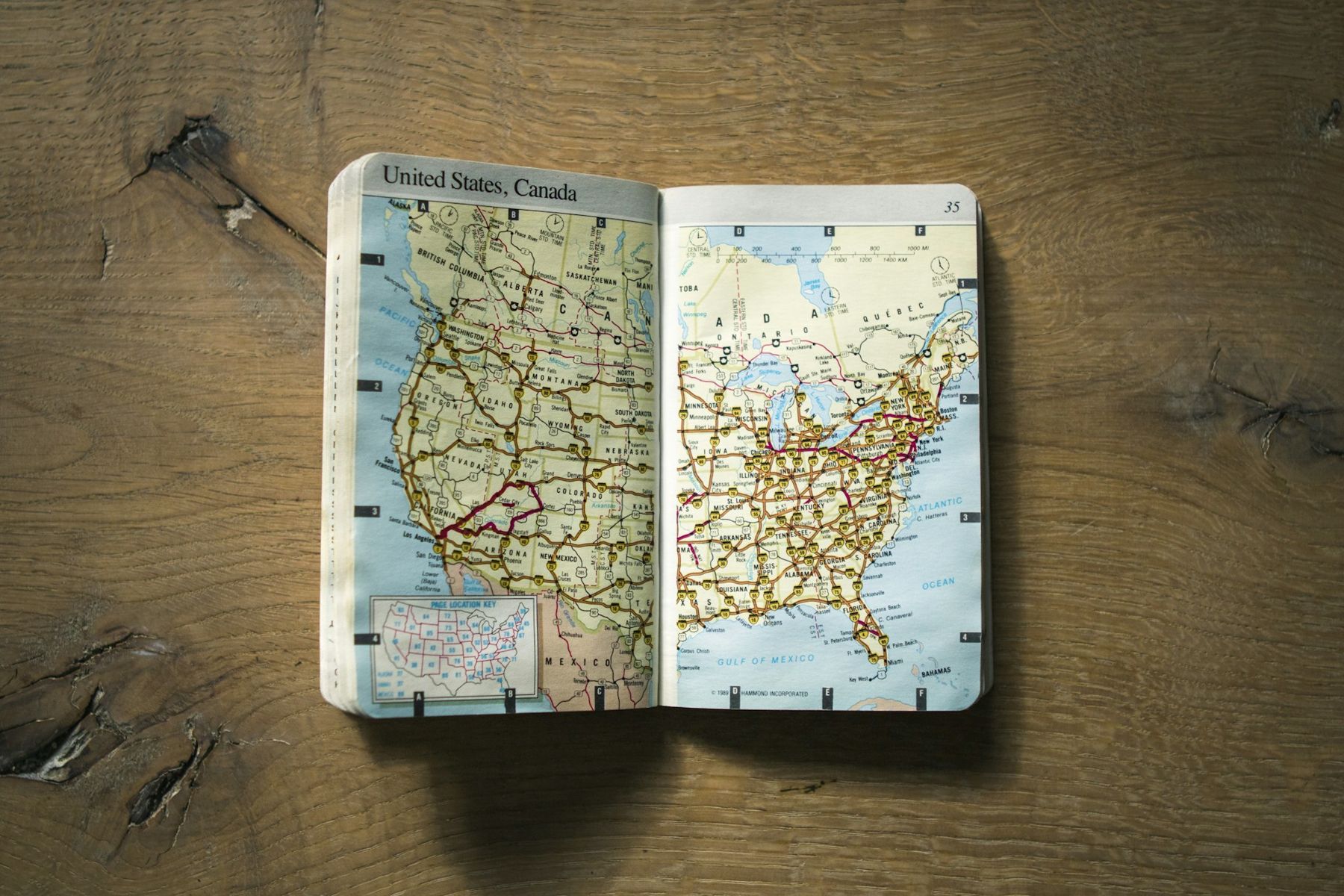
Shade travel days lightly so they stand out. If more than one day in three is shaded, cut a stop. Two or three nights in each place is a comfortable minimum for most people. One-night stops make sense on a road trip, where the driving is part of the point, and planning a road trip works through that rhythm. Elsewhere, they mostly turn a holiday into a series of check-ins.
A simple test is to count beds. A ten-day trip with five beds means packing and unpacking five times. The same ten days with three beds feels far longer, because more of it is spent somewhere rather than on the way.
Leave slack days on purpose
Once the fixed points and travel days are on the page, look at what is left and protect some of it. A slack day is a column with nothing written in it, except perhaps the word laundry. On a trip of a week or more, aim for one in every four or five days.
Slack days are not wasted days. They absorb the delayed train, the wet afternoon and the place you liked so much that you want to go back. They give you time to wash clothes, sort photos and write a few lines in a travel journal. And if nothing goes wrong, they often become the days you remember best, because they were the ones you shaped on the spot.
A plan that leaves room for tiredness, weather and the side street you wander into is a plan you will actually follow.

Place slack days just after long travel days and in the middle of busy city stretches, where tiredness builds up. Do not put one on the last day. The last day belongs to the journey home, and it is rarely restful.
Fill the boxes, lightly
Only now do the sights go in. Give each full day one main thing, in the morning box, and one smaller thing for the afternoon. Leave the evening box for food and rest unless something specific is happening. If a box needs a list, the day is too full.
Group what you want to see by area. Two sights on opposite sides of a city cost an hour of transport between them; two in the same district cost a short walk. Early starts help everywhere popular, because places that are crowded at ten are often quiet at eight.

Signs you are over-planning
- A box holds more than two things.
- Times are written to the quarter-hour.
- No column on the page is empty.
- You already feel you are falling behind, and you have not left.
Keep the page working on the road
Before you leave, copy the finished grid into the front of your notebook and take a photo of it, so you have it on paper and on your phone. Write the address of each night's room in the bottom strip, with a note on how to reach it from the station. The habits in phones, offline maps and the paper backup apply here as well.
On the road, update the page in pencil each evening. Cross out what you skipped without guilt and write in what you found instead. When something goes wrong, the grid shows at once which fixed points are at risk and where the slack sits, which makes changing plans on the road far calmer. And when you are home, keep the page. It is the best template you will have for the next trip.
Who shot these snapshots
- Glenn Carstens-Peters Unsplash License
- 2H Media Unsplash License
- Ryan Waring Unsplash License
- Basile Morin CC BY-SA 4.0
- Annie Spratt Unsplash License